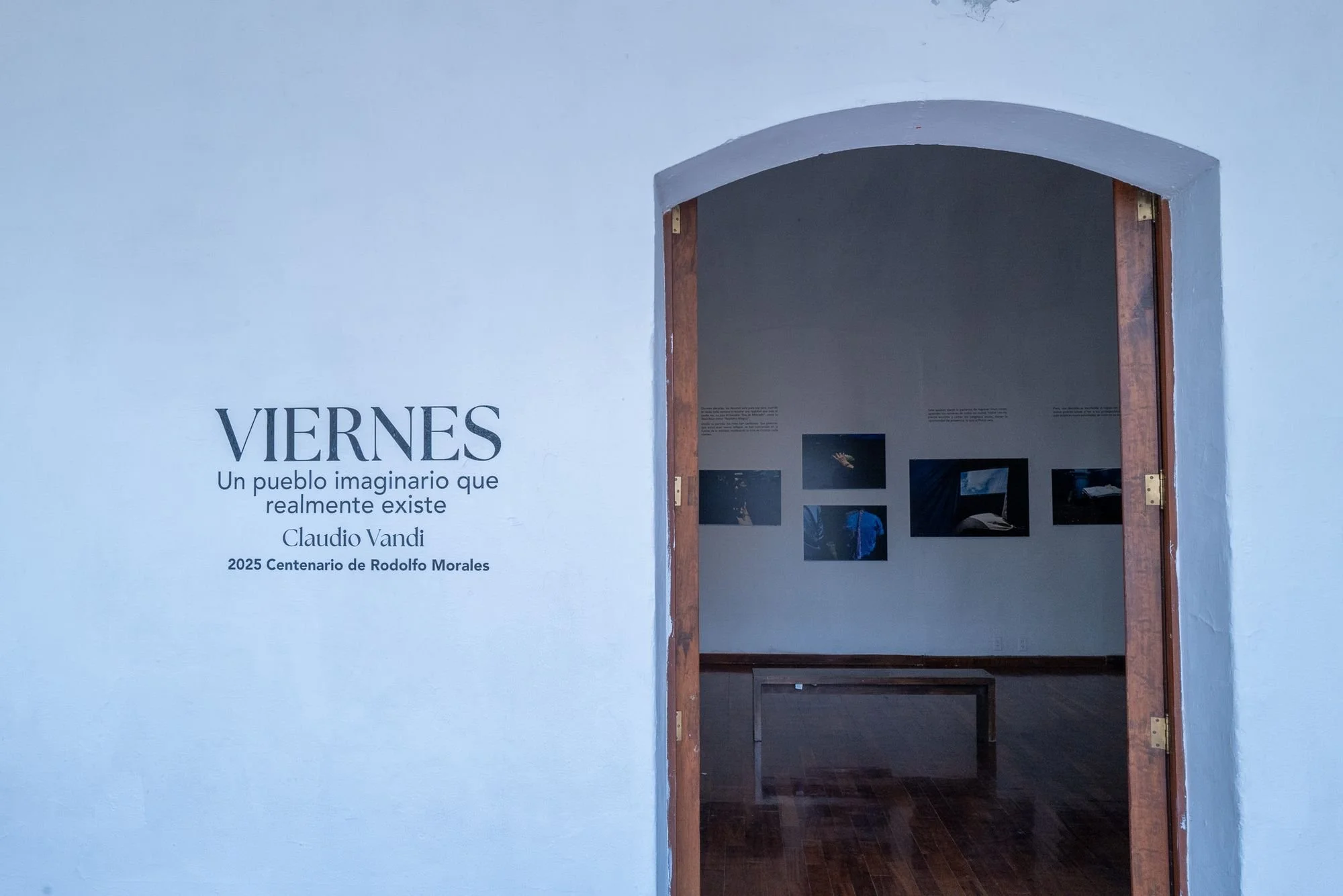
VIERNES
An imaginary town that really exists
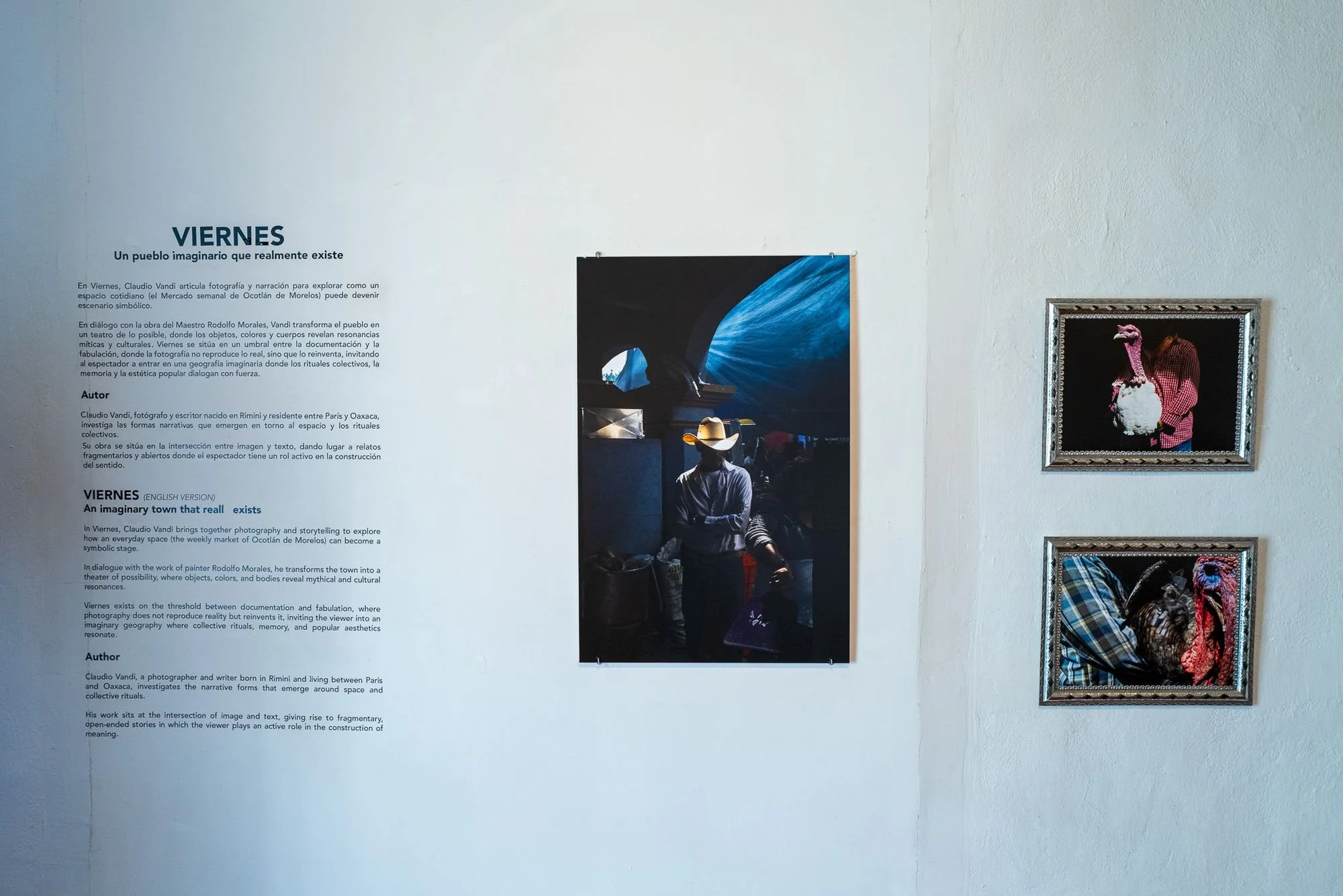
Capturing the surreal essence of Ocotlán de Morelos, a town that used to be one of the most important markets of pre-Hispanic Mexico.
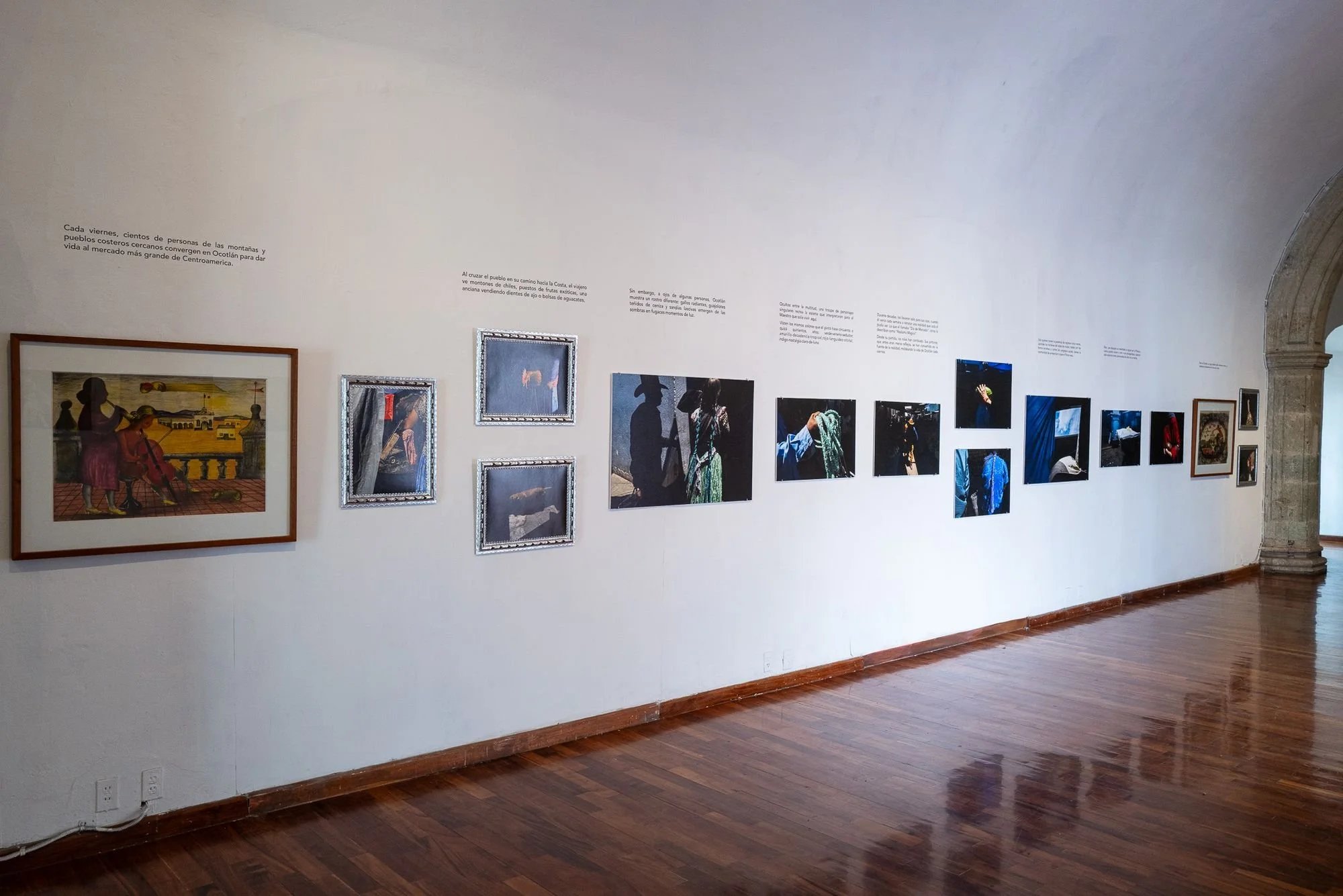
Viernes explores the threshold between documentation and fiction, creating an imaginary geography where collective rituals and popular beliefs turn an everyday space into a symbolic stage.
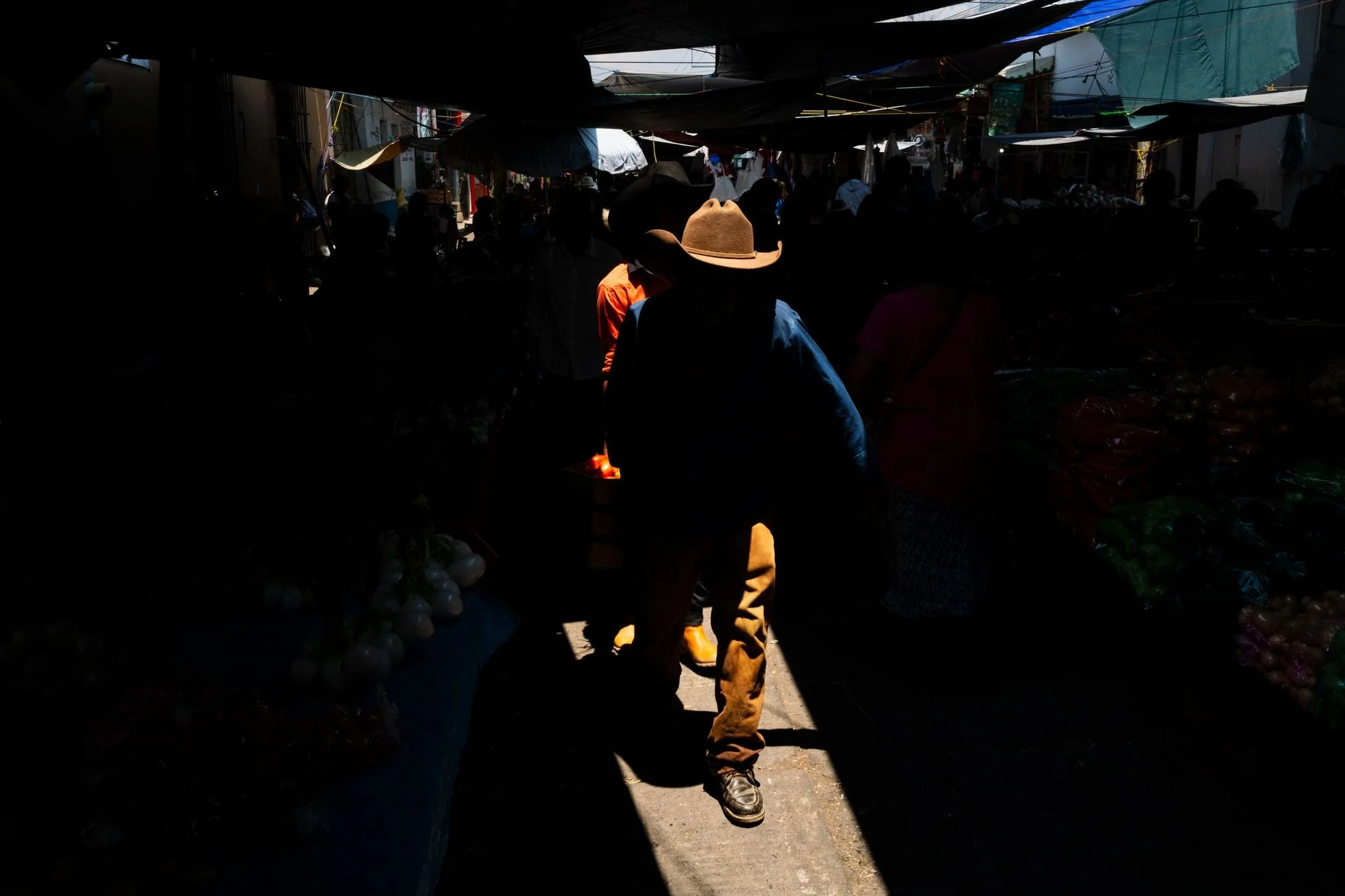
The project is grounded in eight years of on-site research. It takes its name from the day the town becomes a market again: every Friday, farmers, growers, fishers and traders from the mountains and the coast converge on Ocotlán.
01 Ocotlán
02 The stone
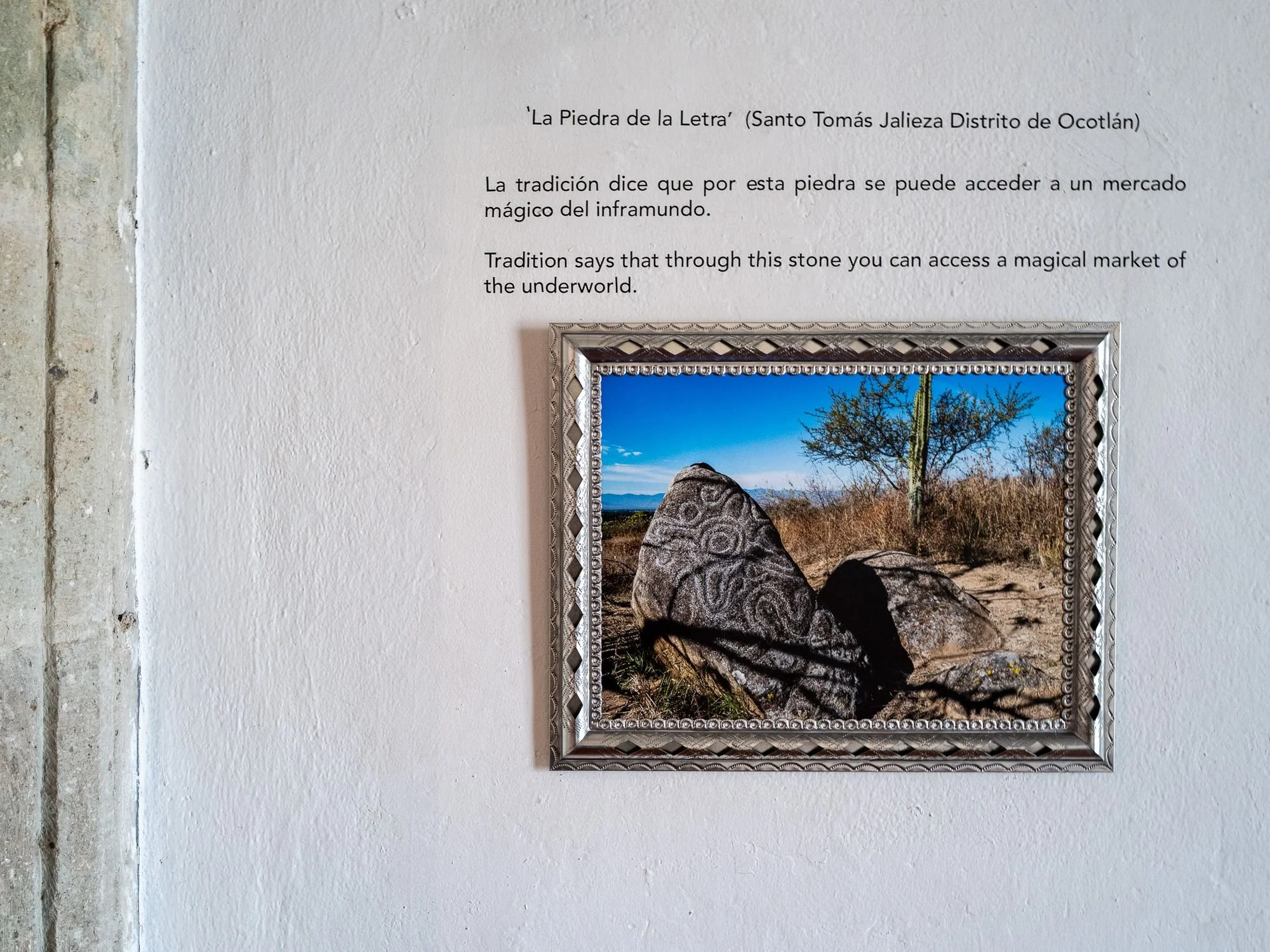
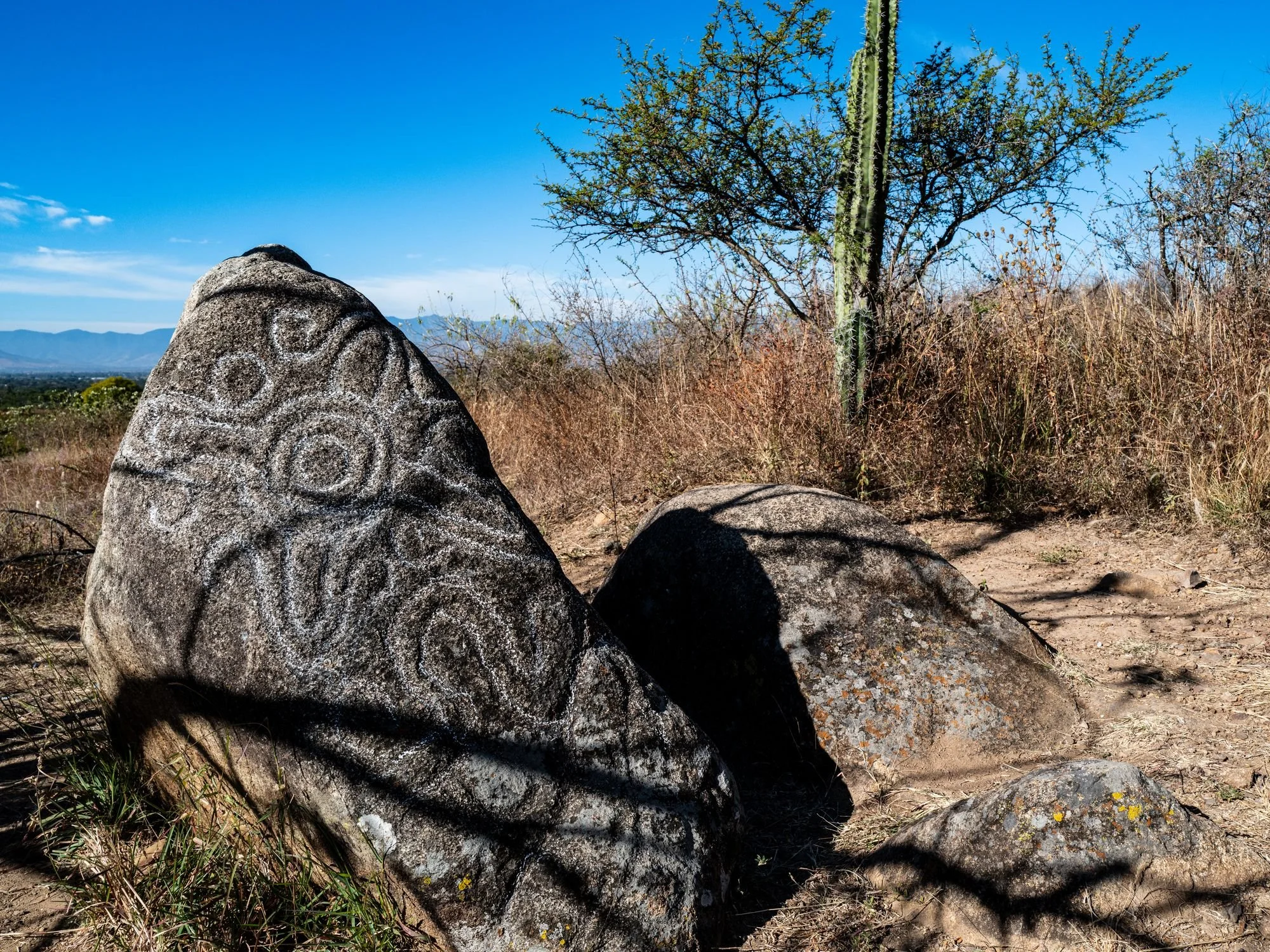
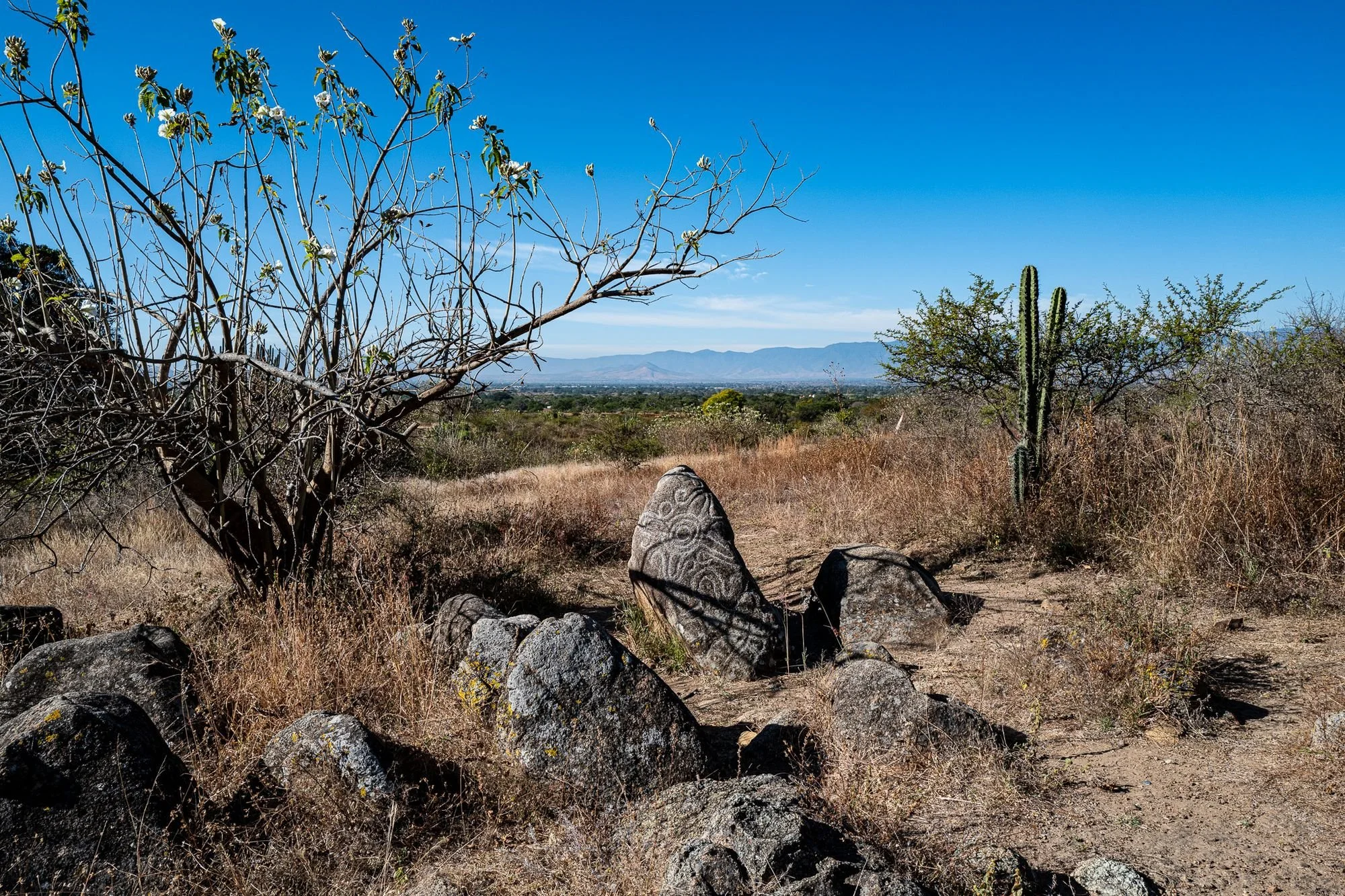
At the foot of Cerro Yabeo, where two rivers meet, stands the Piedra de la Letra, a volcanic rock carved more than five centuries ago. Each winter solstice, the first light rises behind Cerro Guialez and illuminates it.
Locals say it is the site of a phantom market, un tianguis fantasma, where the souls of the dead continue their trades.
03 The painter
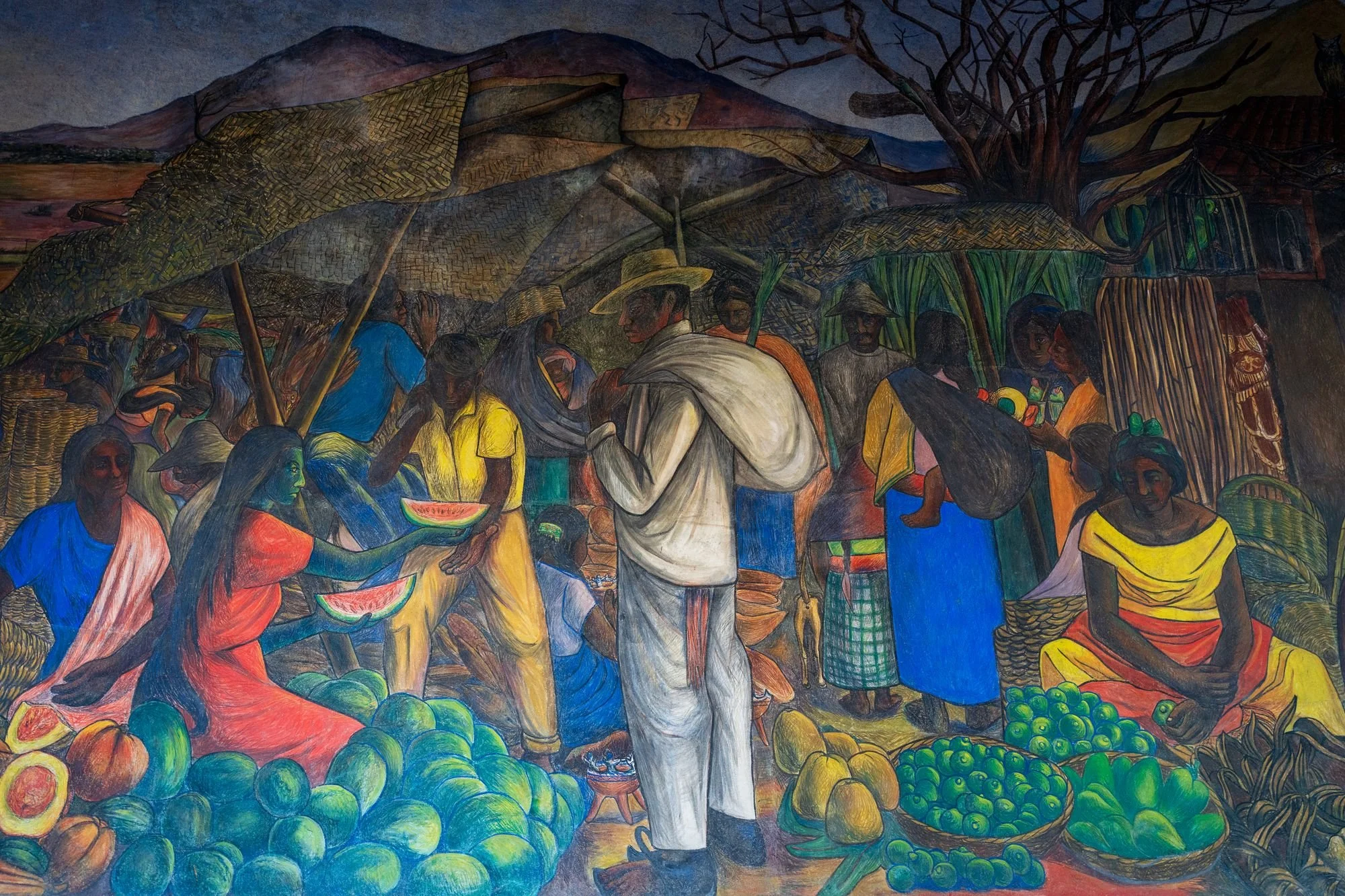
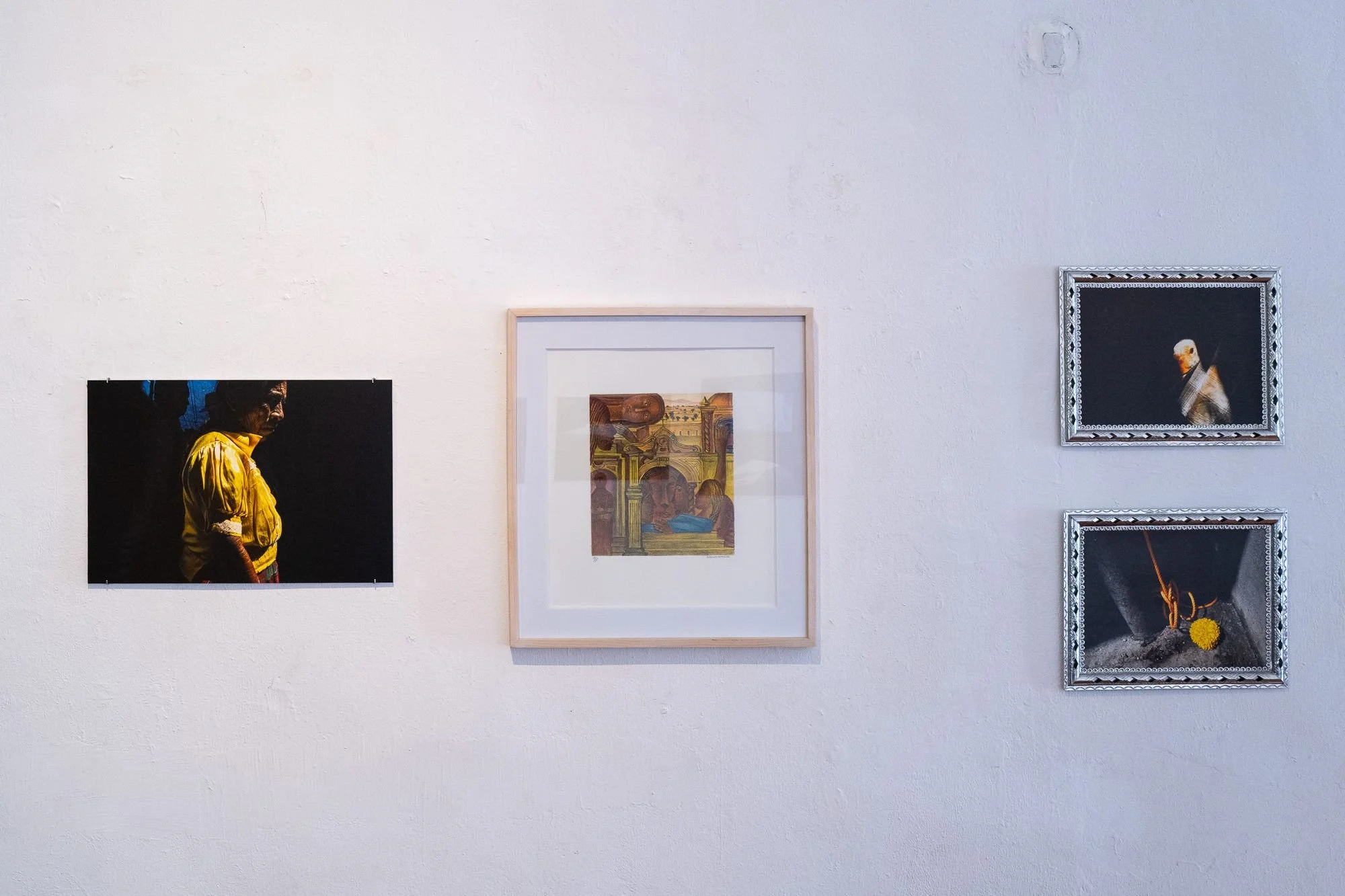
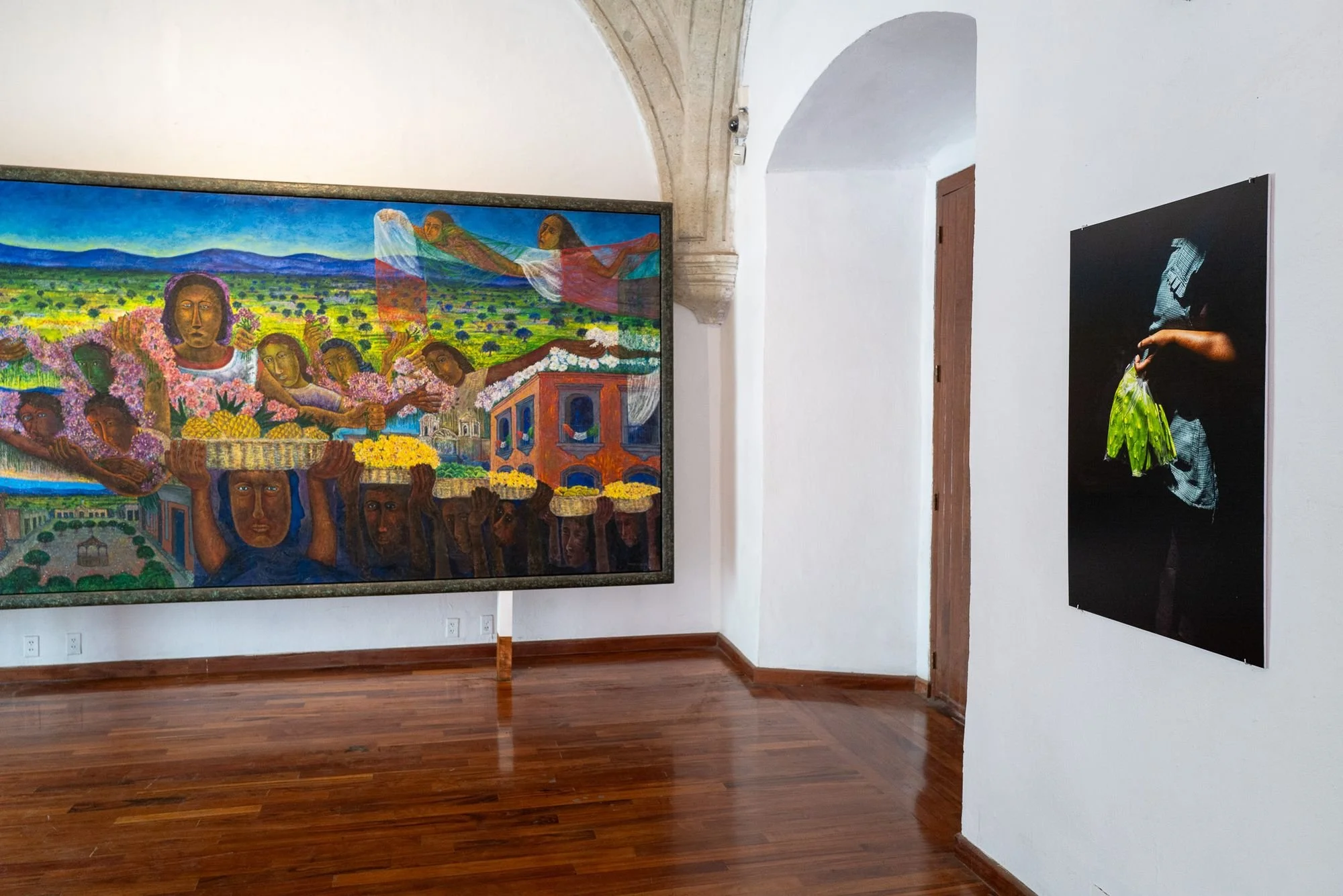
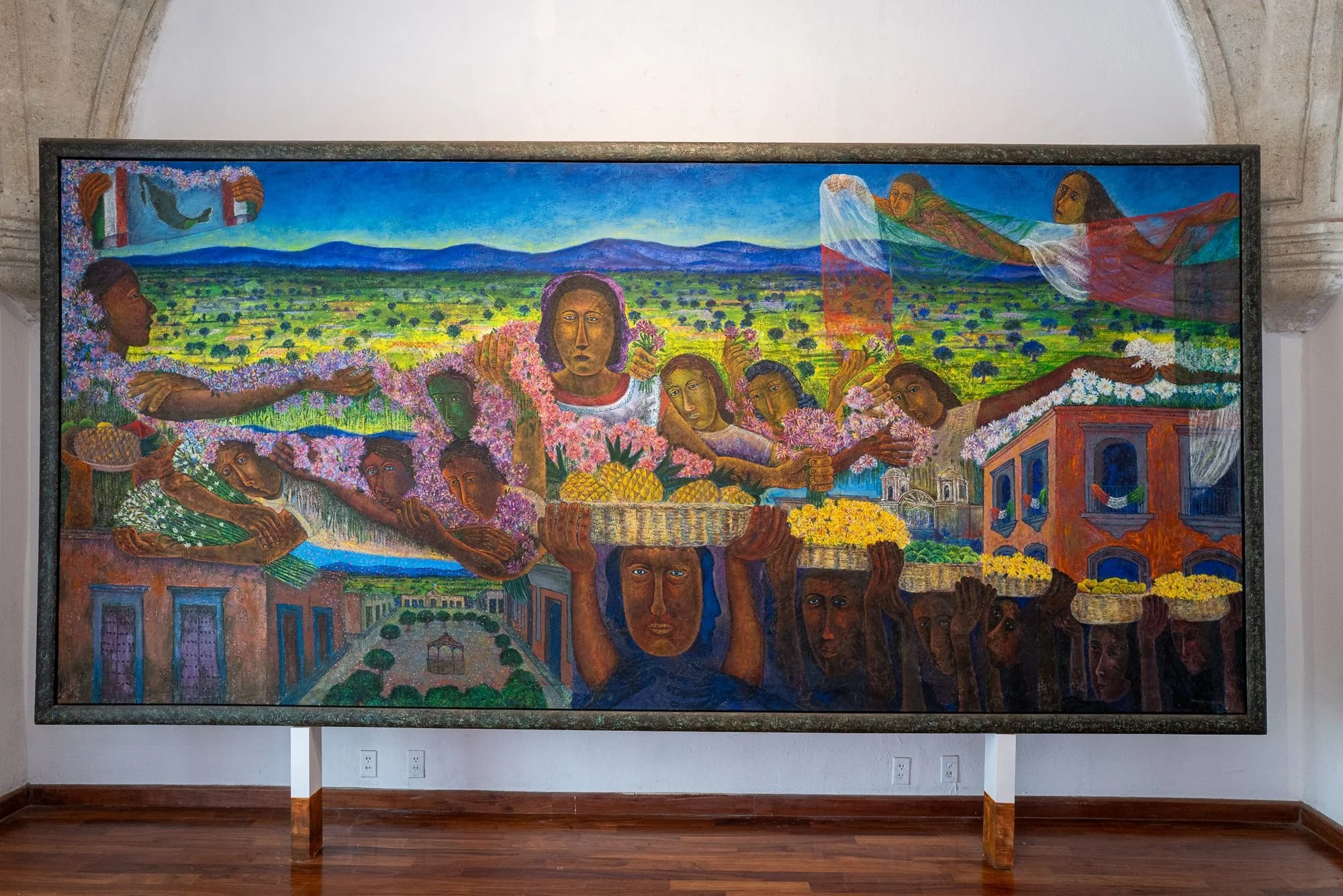
In the town hall of Ocotlán hangs a mural by Rodolfo Morales (1925–2001), the painter born here. His market is a theatre of colour: flying brides covered in flowers, roofs made of faces.
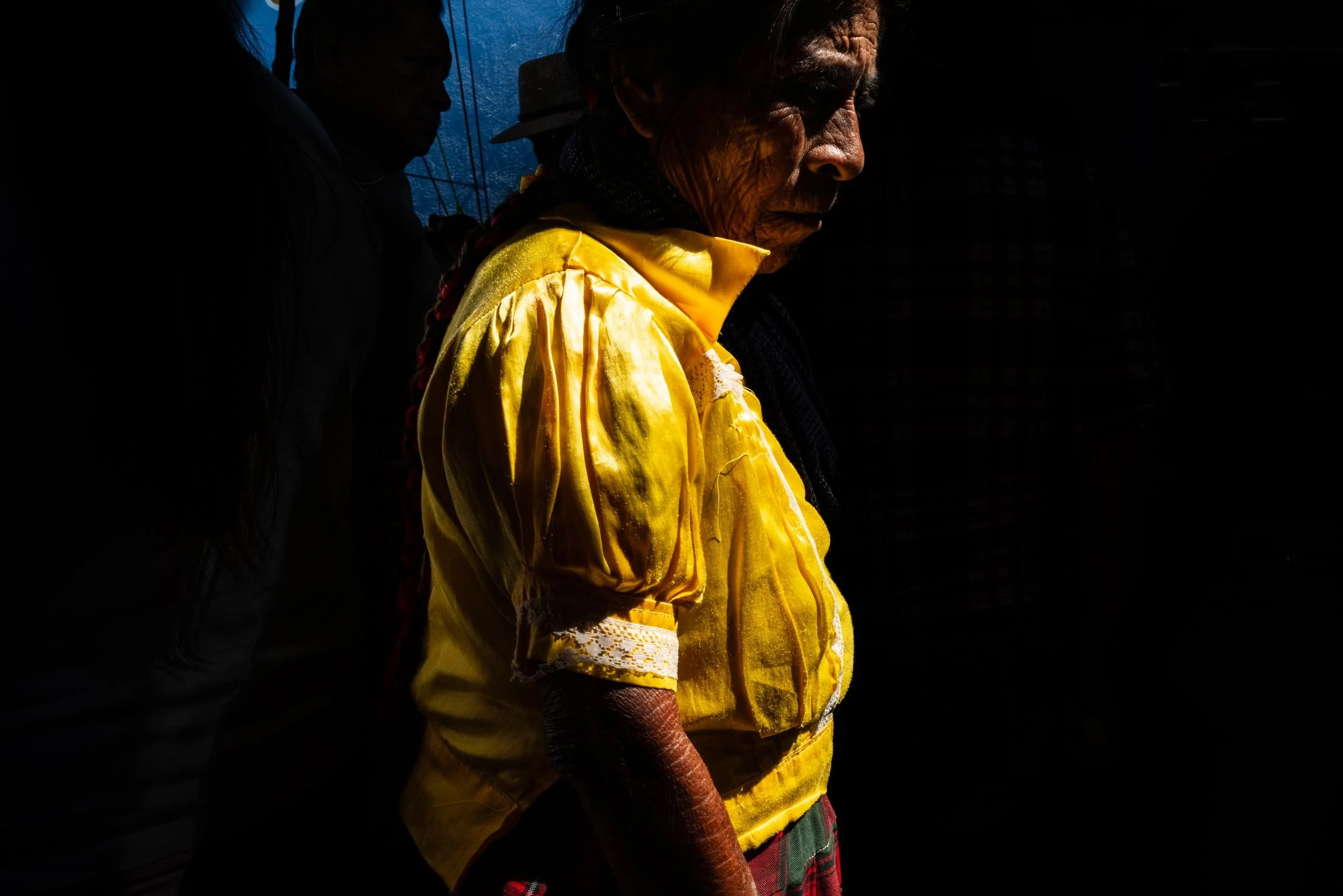
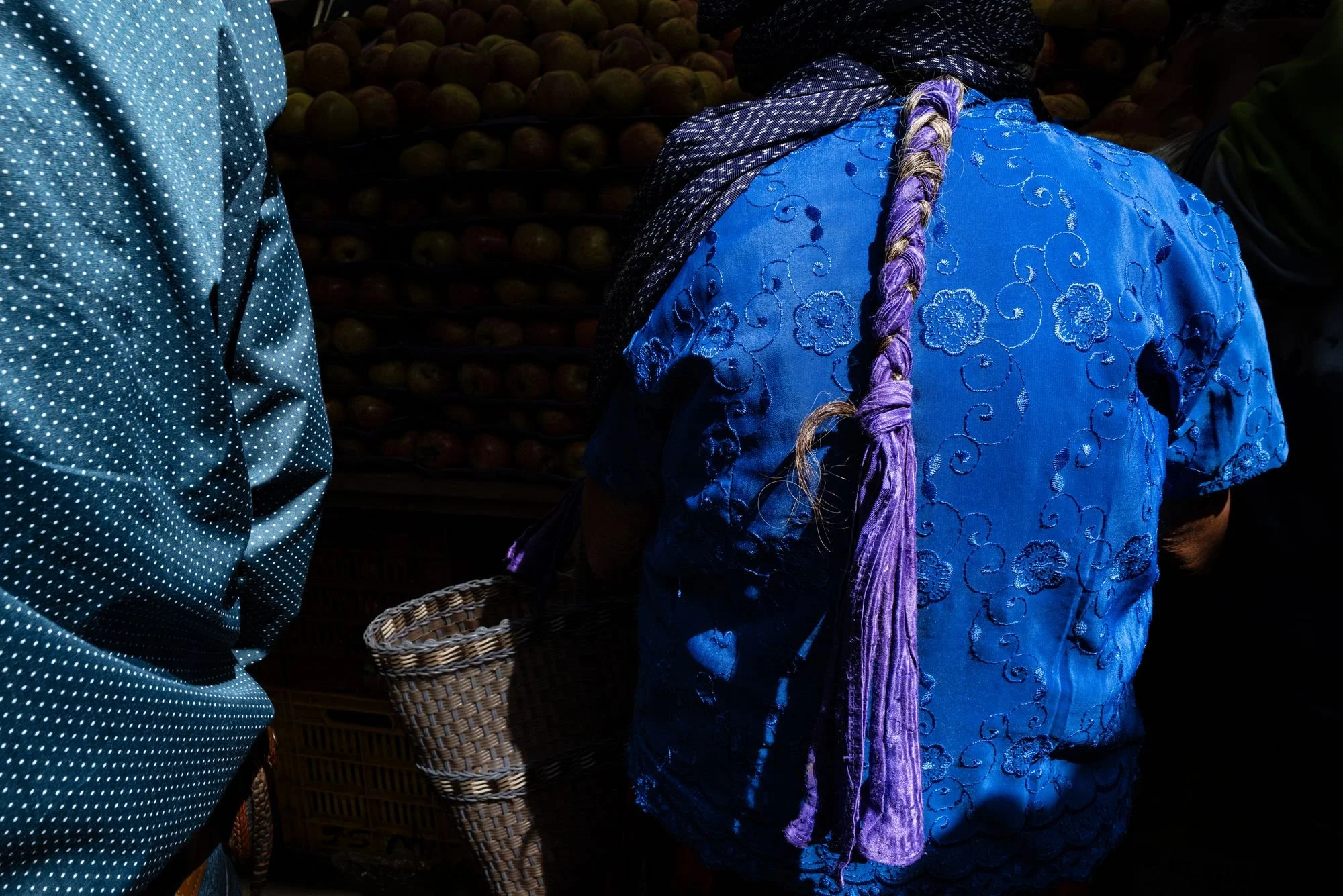
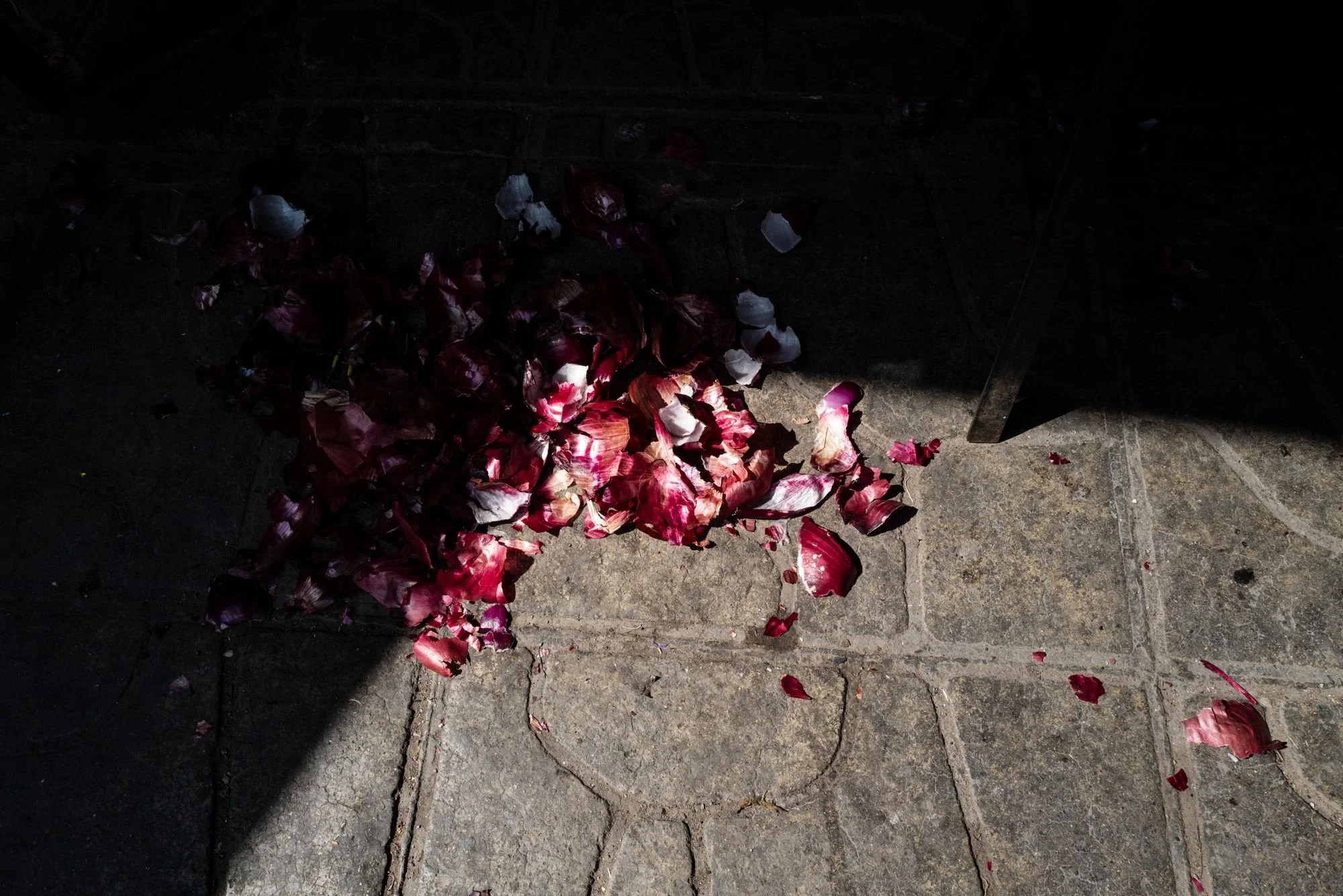
I found the same colours in my photographs, taken before I knew his work. Natural pigments such as indigo and cochineal dye his palette and the clothes I photographed. I never planned a dialogue between his work and mine; I recognised one.
04 The frames
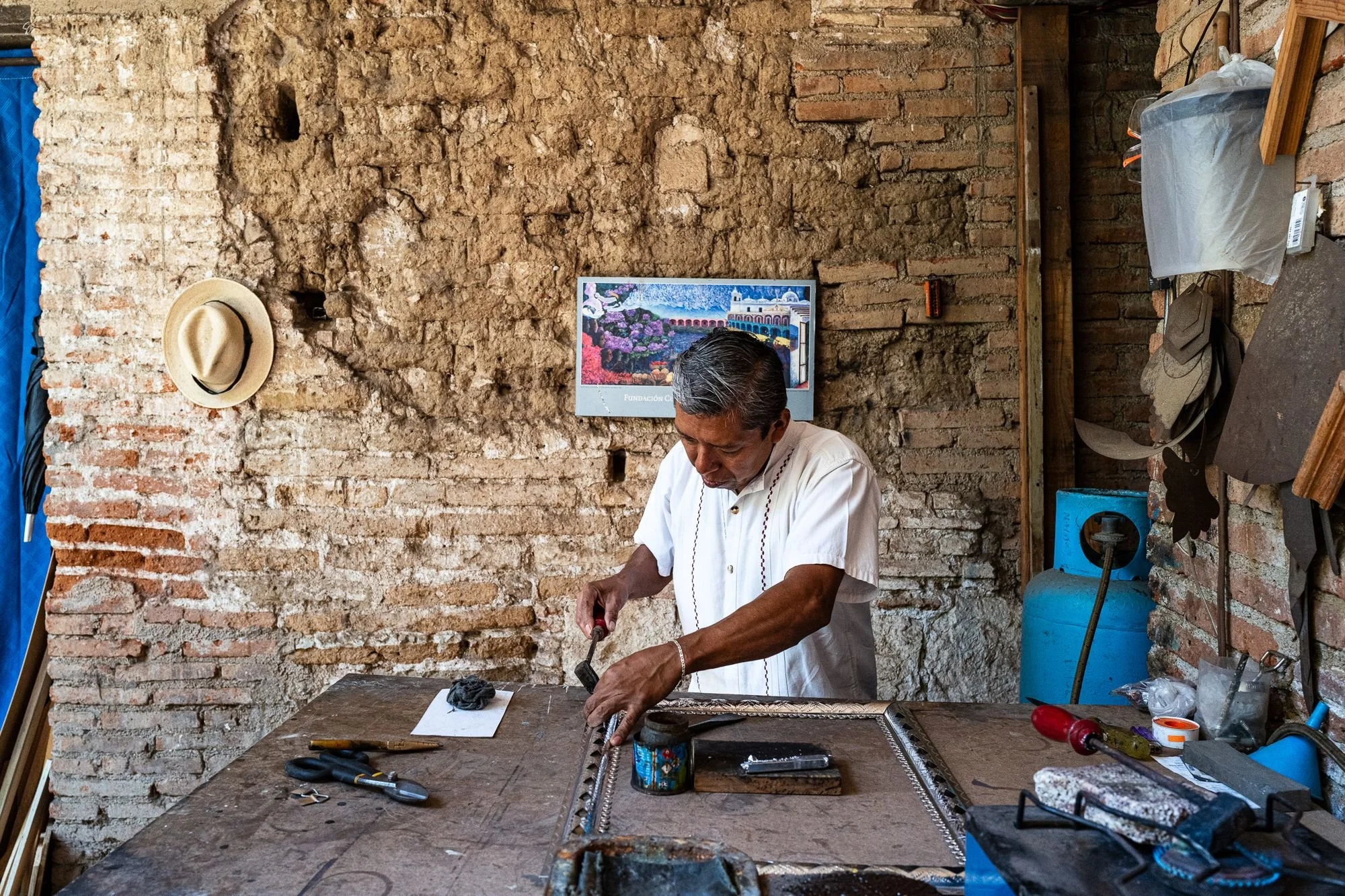
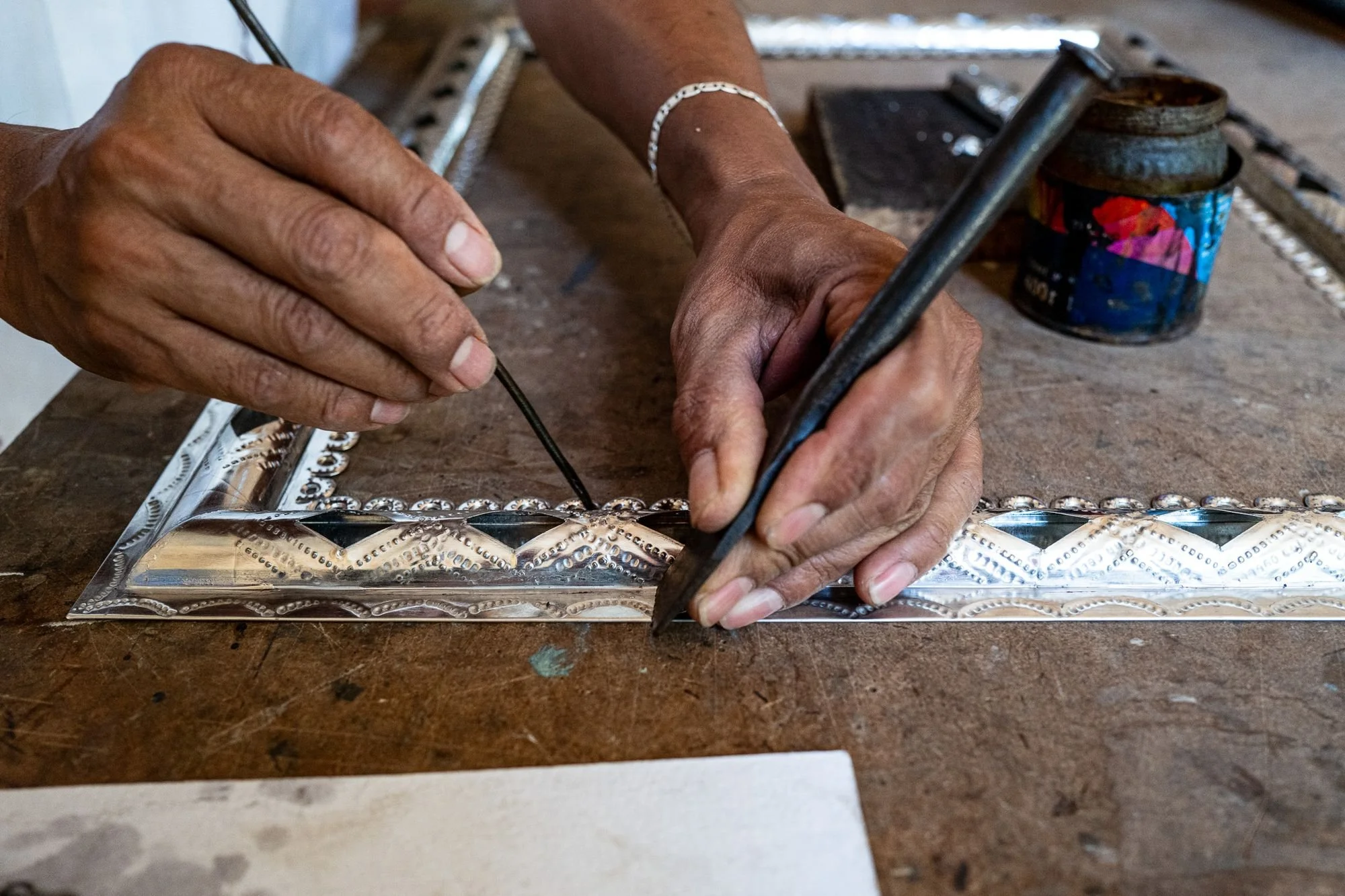
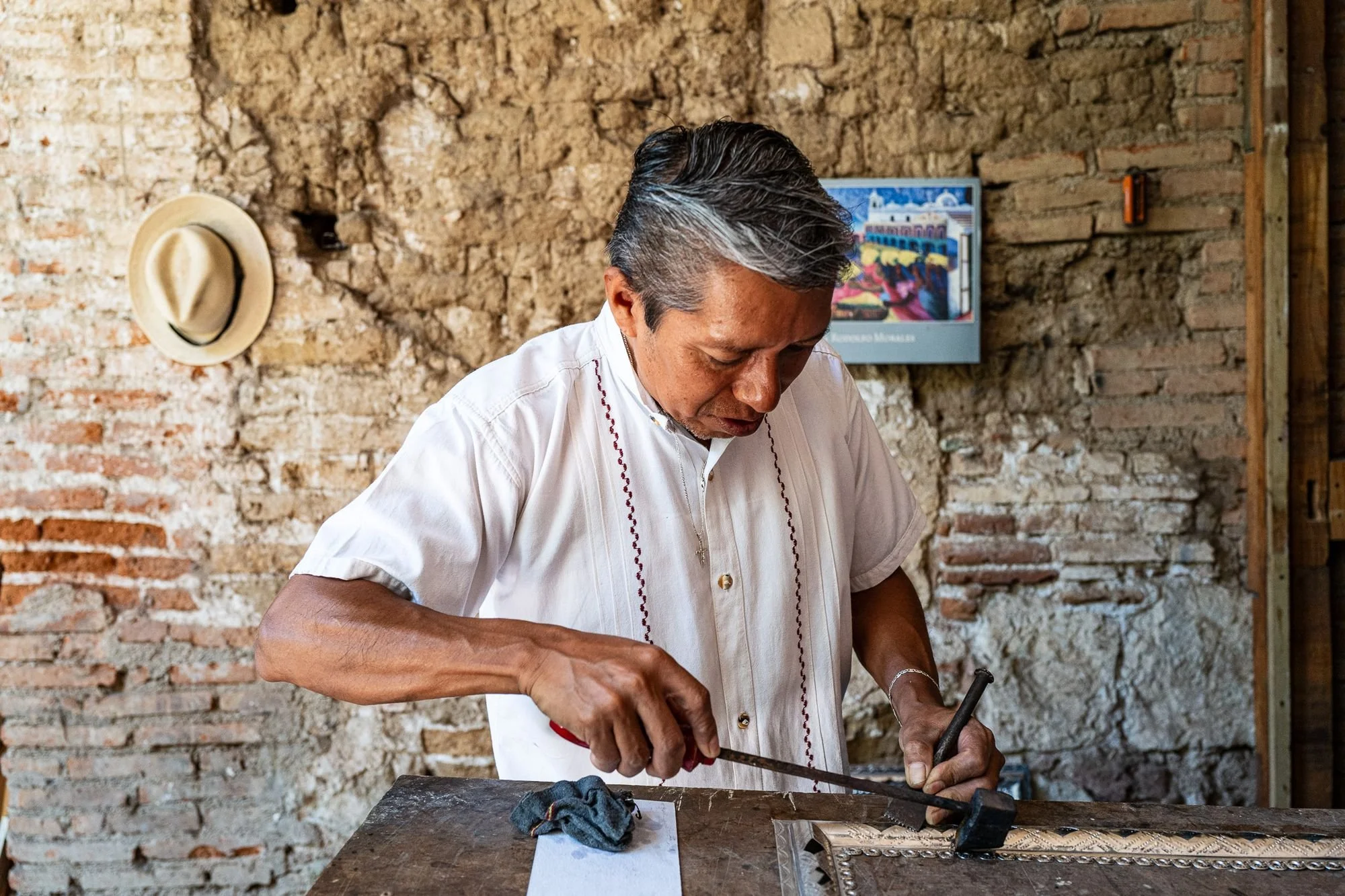
Tirso Cuevas, a tin artist in Oaxaca, designed and made the frames Rodolfo Morales used for forty years.
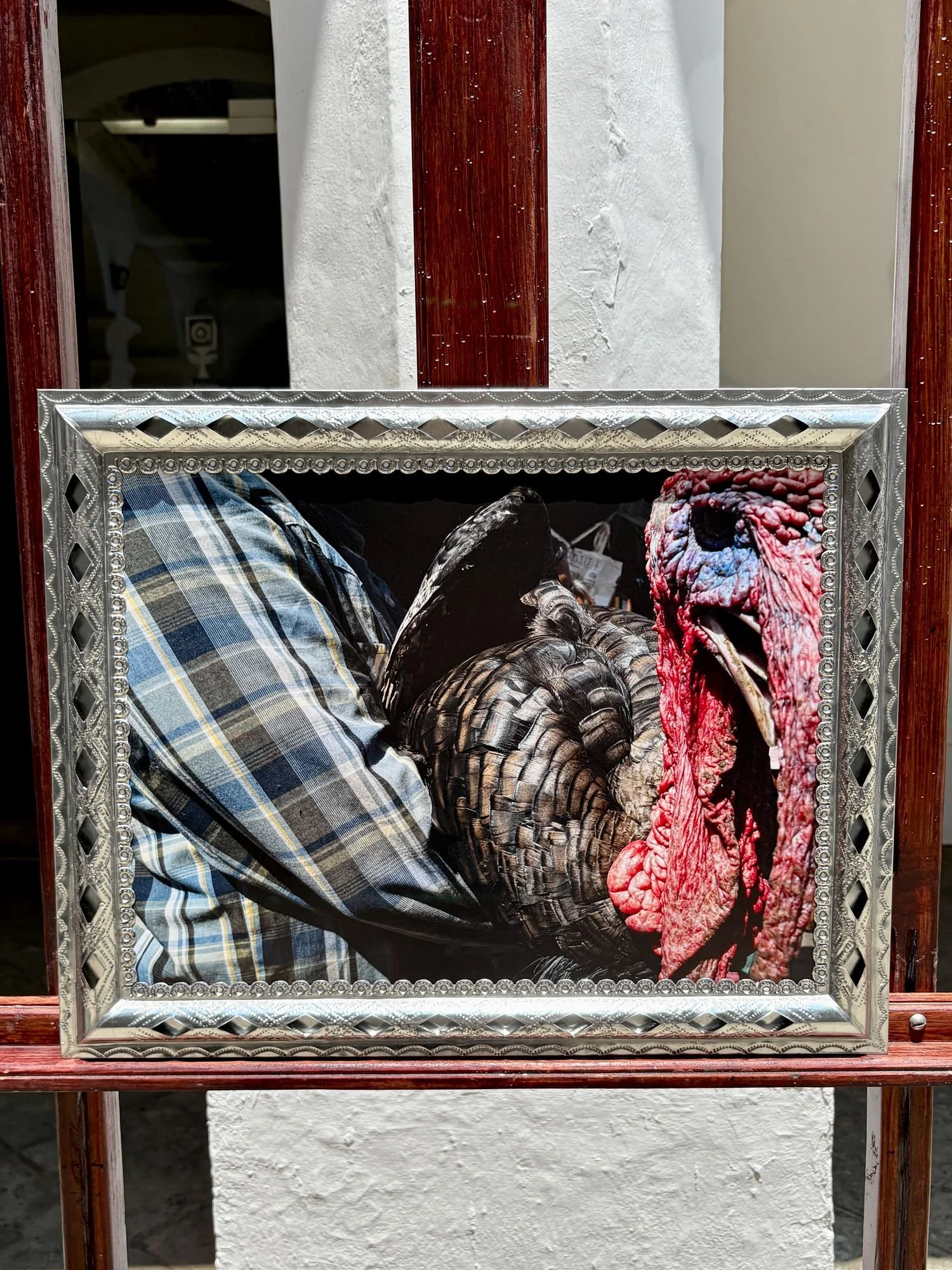
For the 2025 exhibition he recreated, for the first time, the exact design he developed for Morales in the 1980s: ten frames for ten photographs.
05 The tale
Viernes
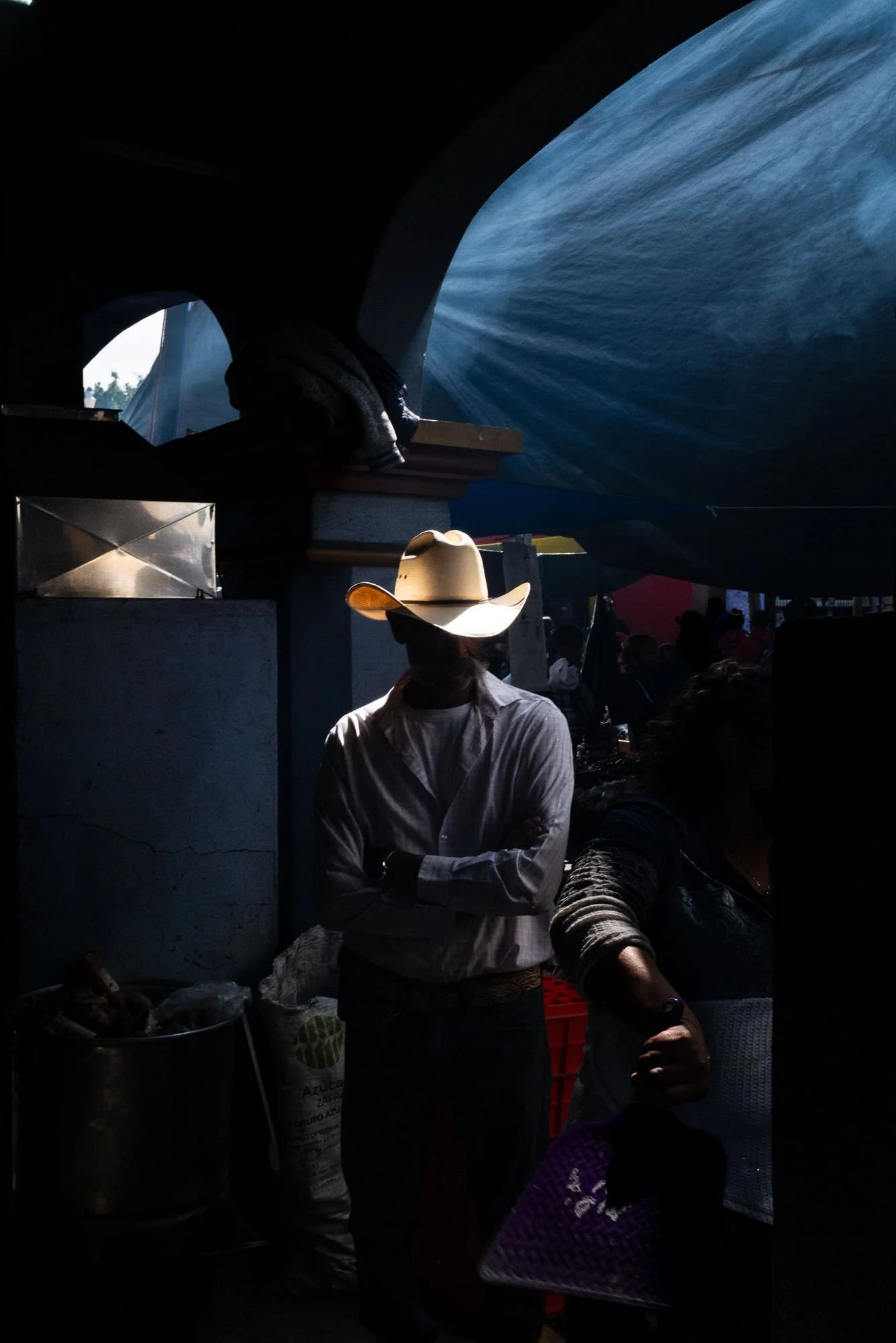
Every Friday, hundreds of people from the surrounding mountains and coastal villages converge on Ocotlán to stage the biggest market in Central America.
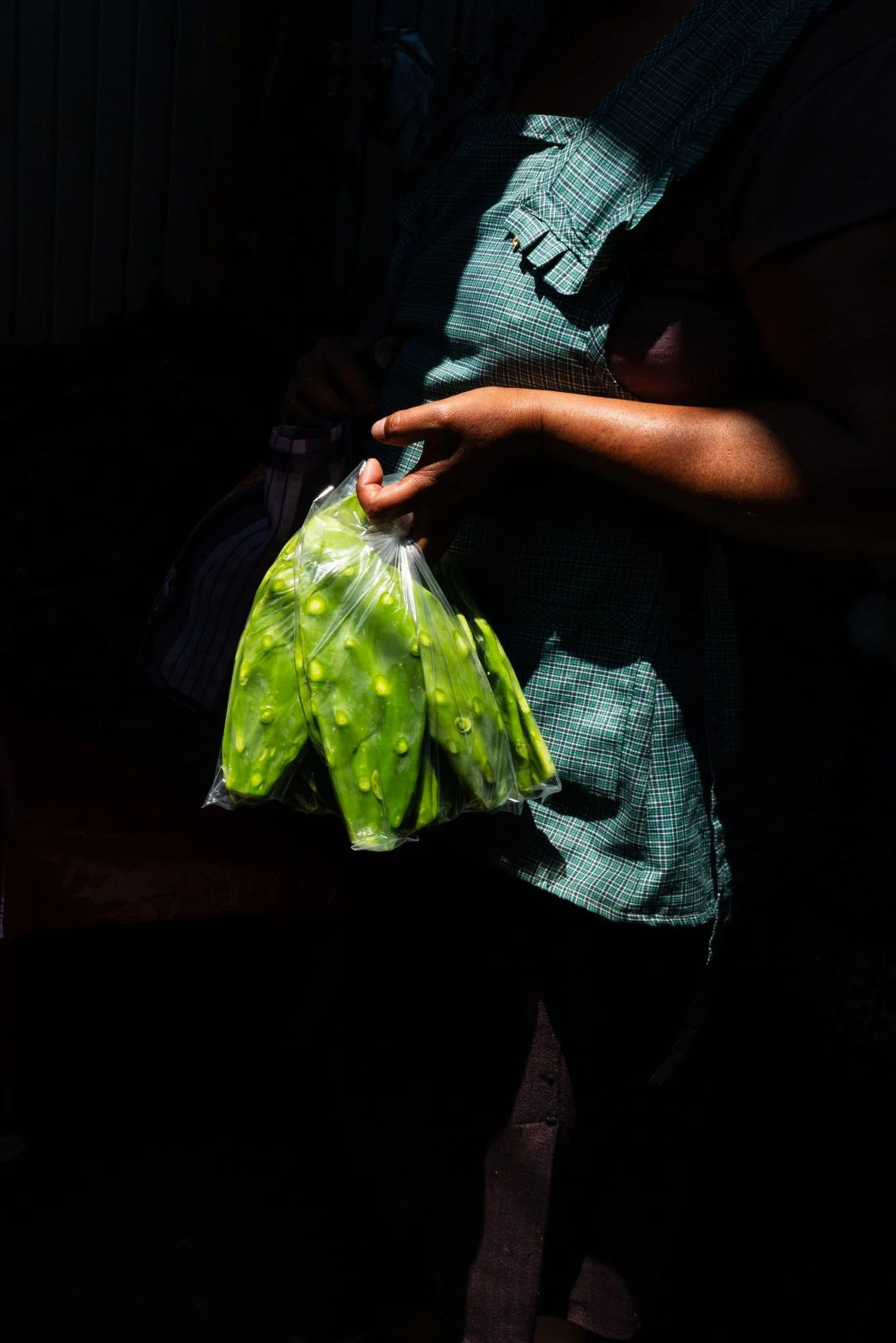
Crossing the town on his way to the Coast, the traveler sees piles of chiles, stalls of exotic fruits, an old lady selling bulbs of garlic or bags of avocados.
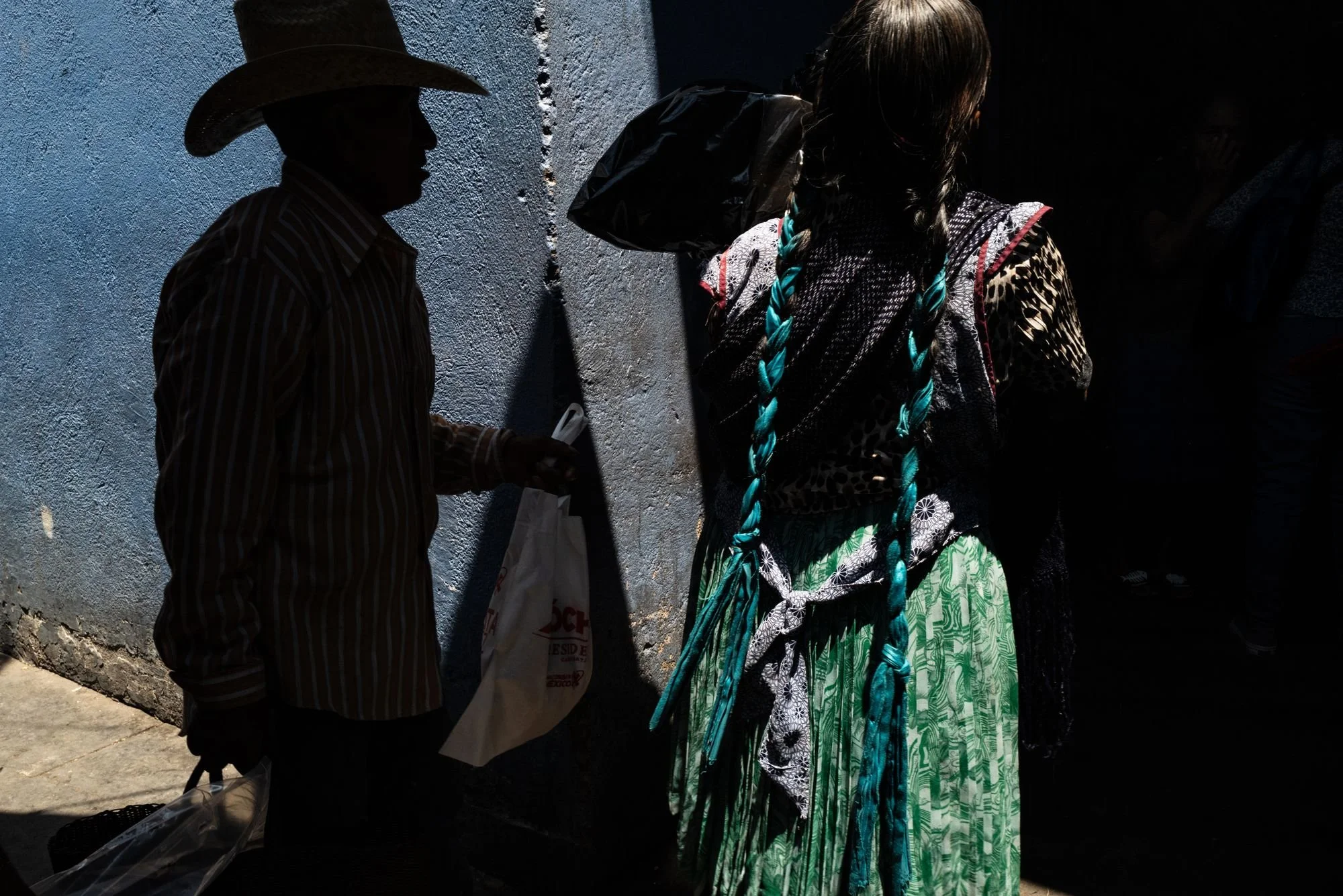
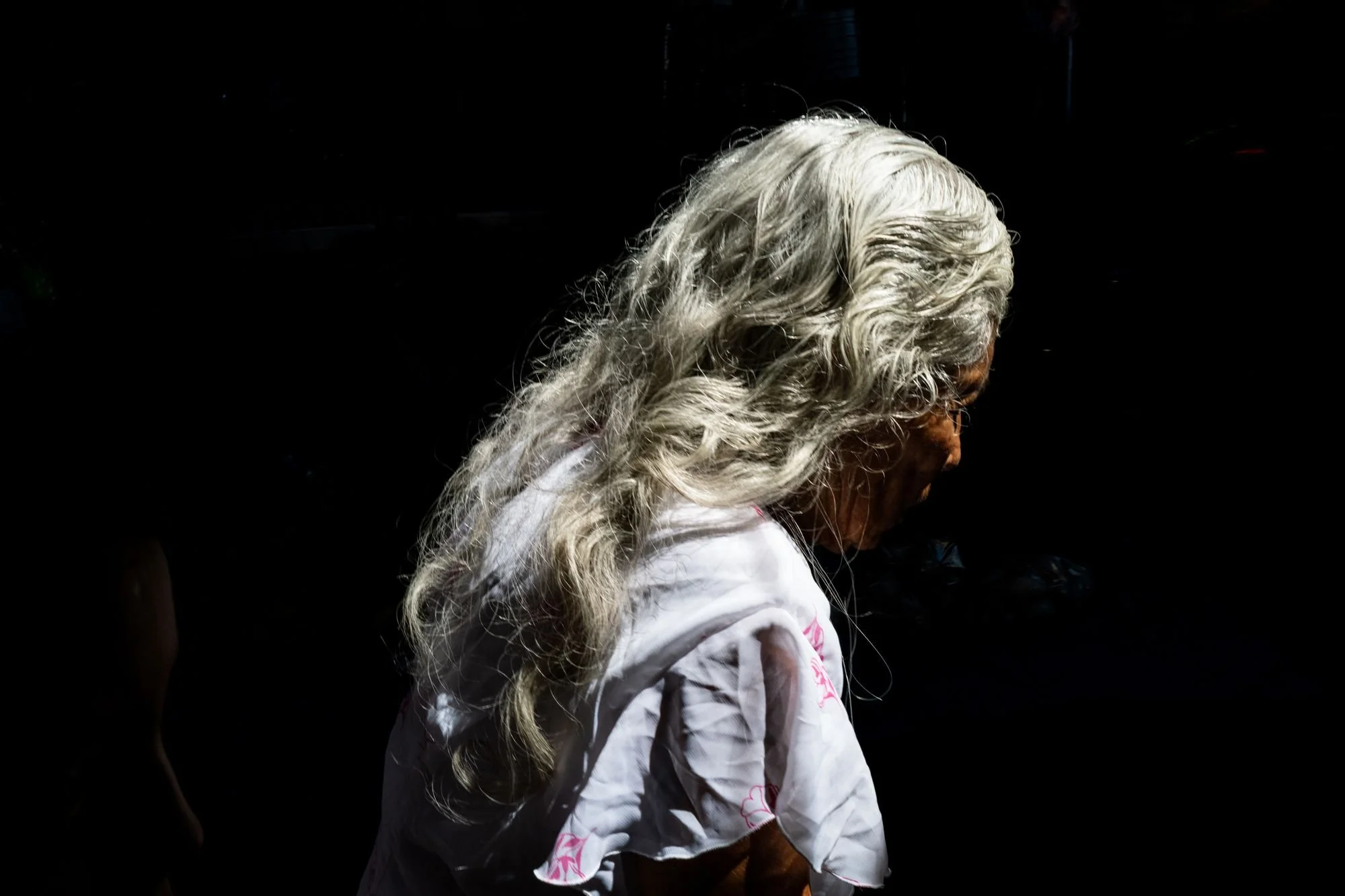
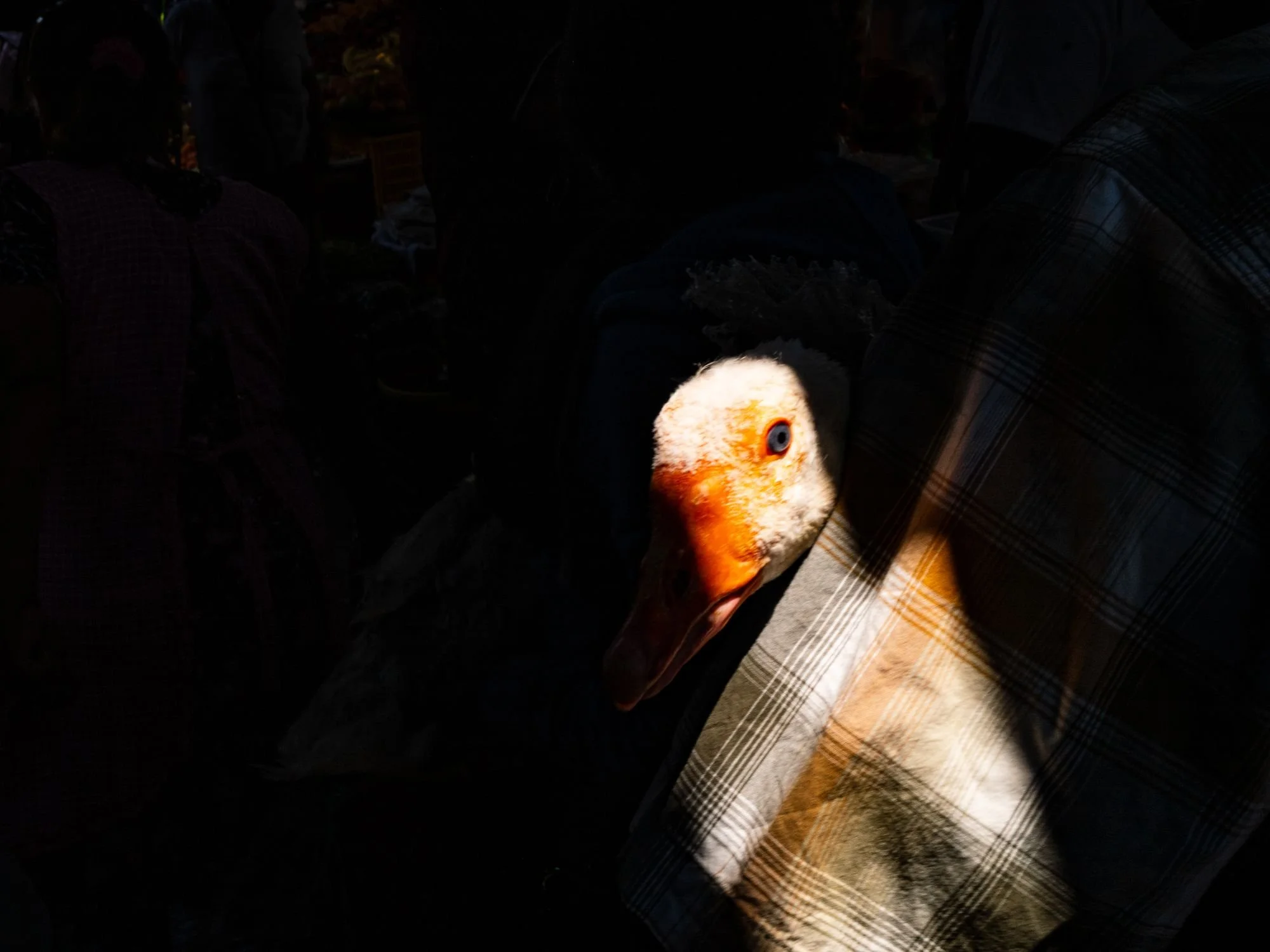
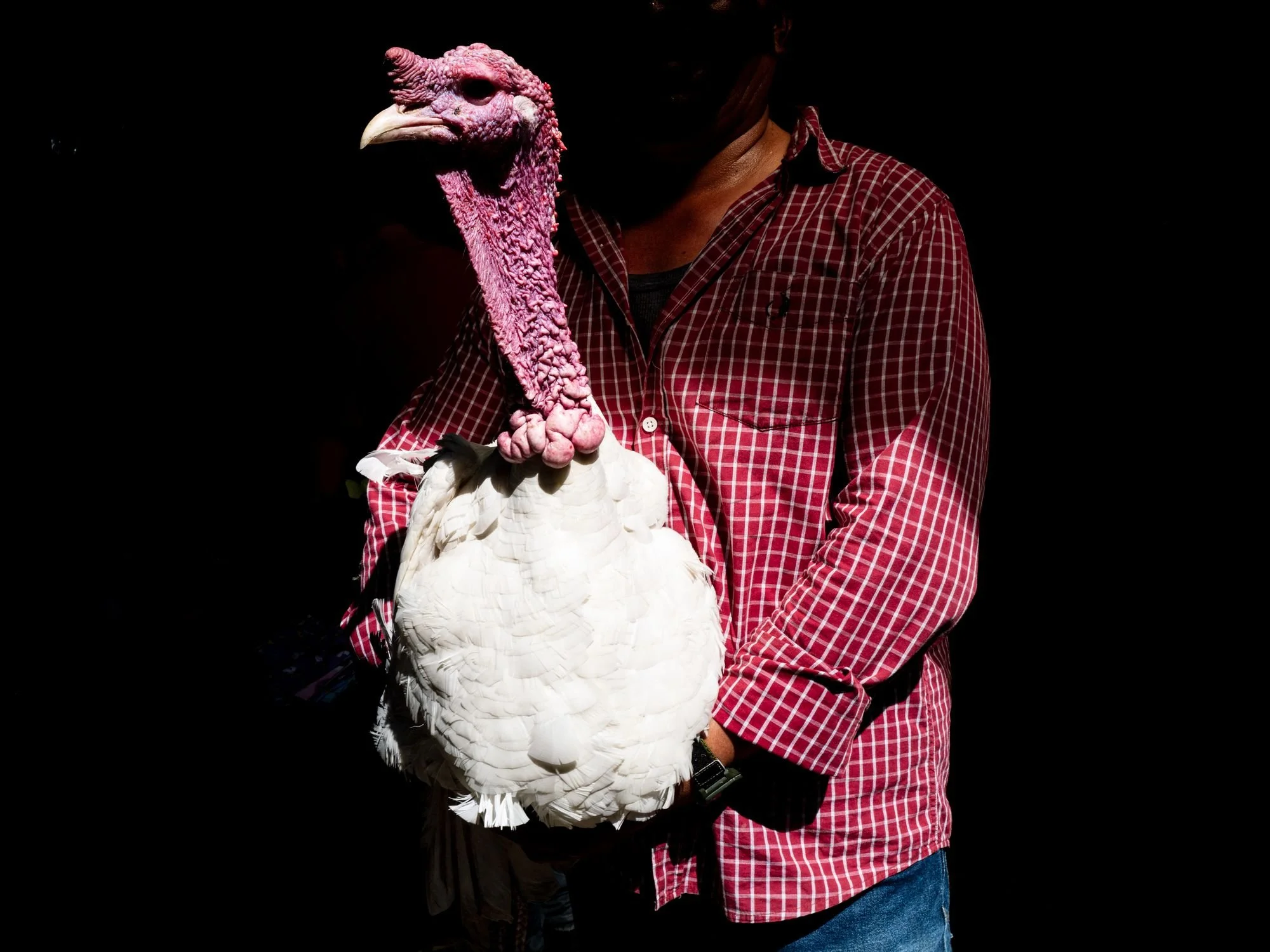
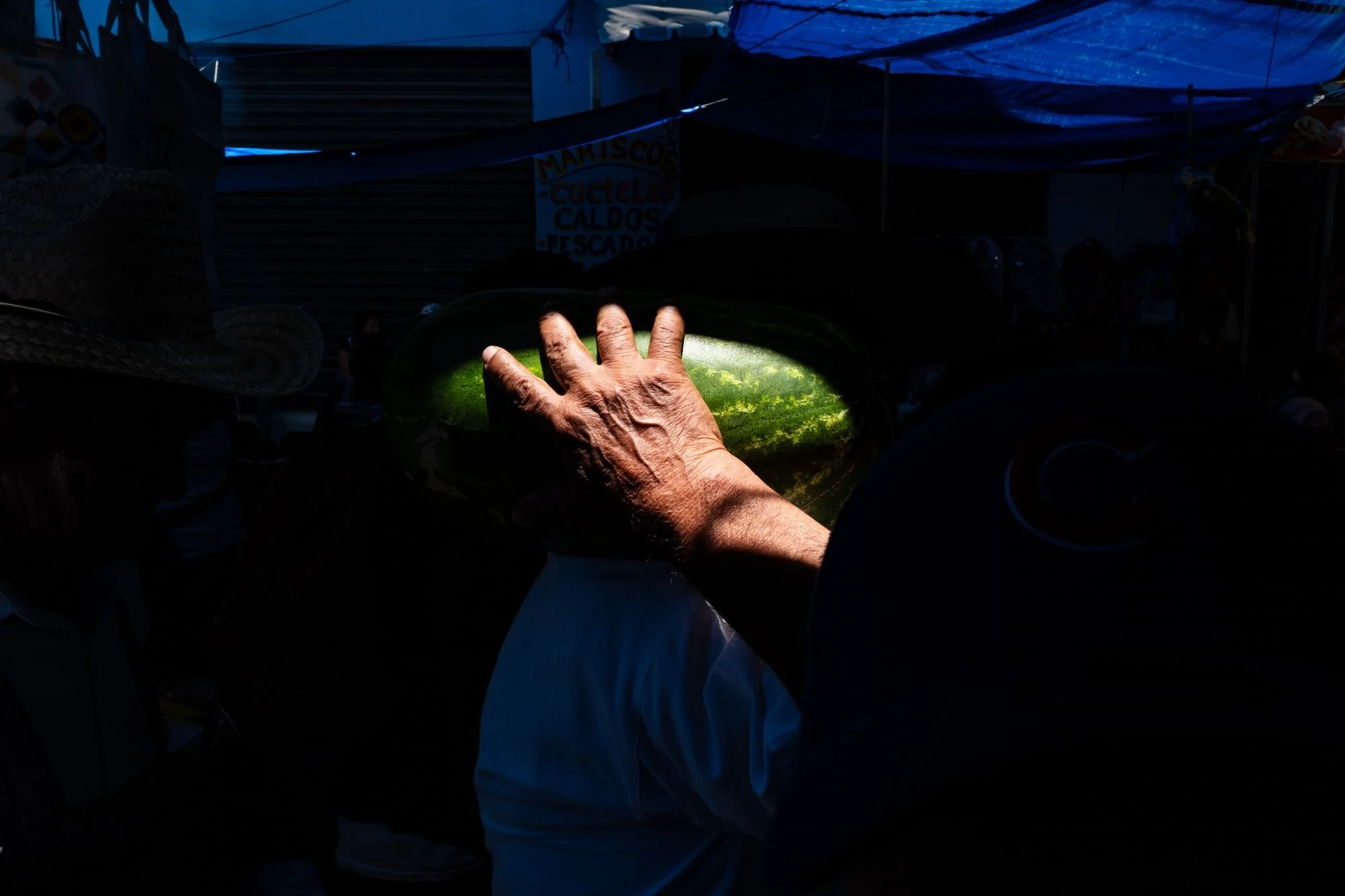
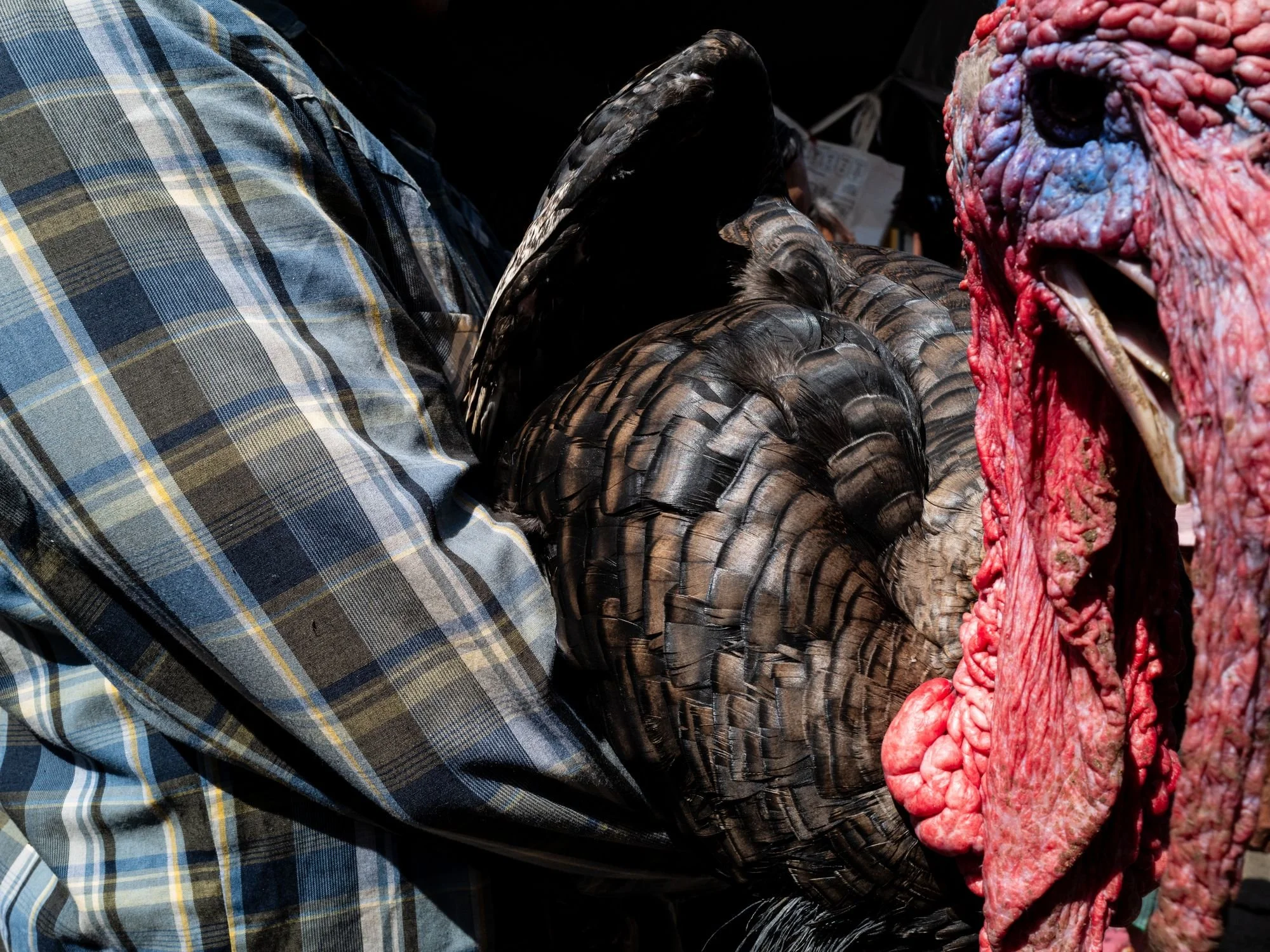
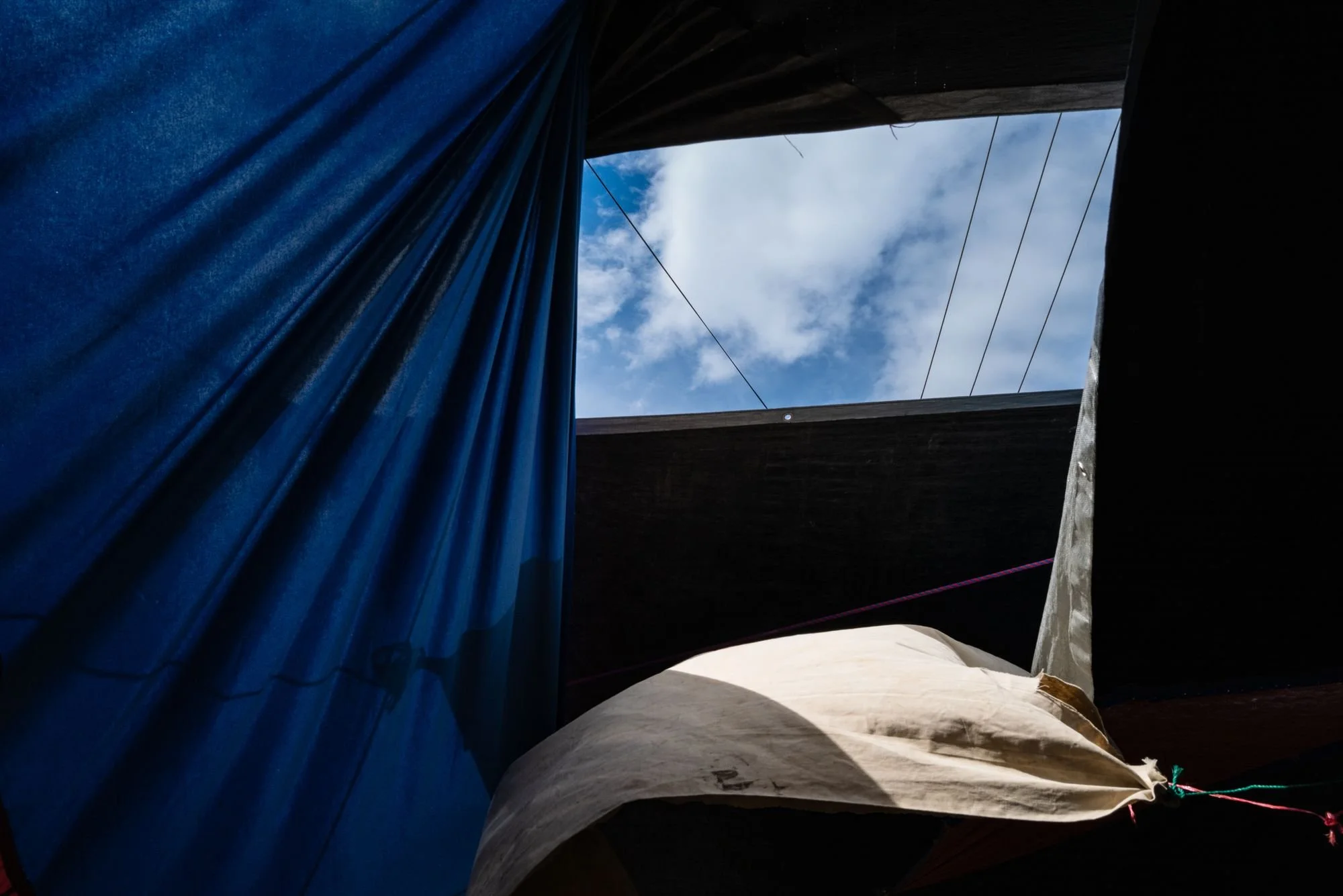
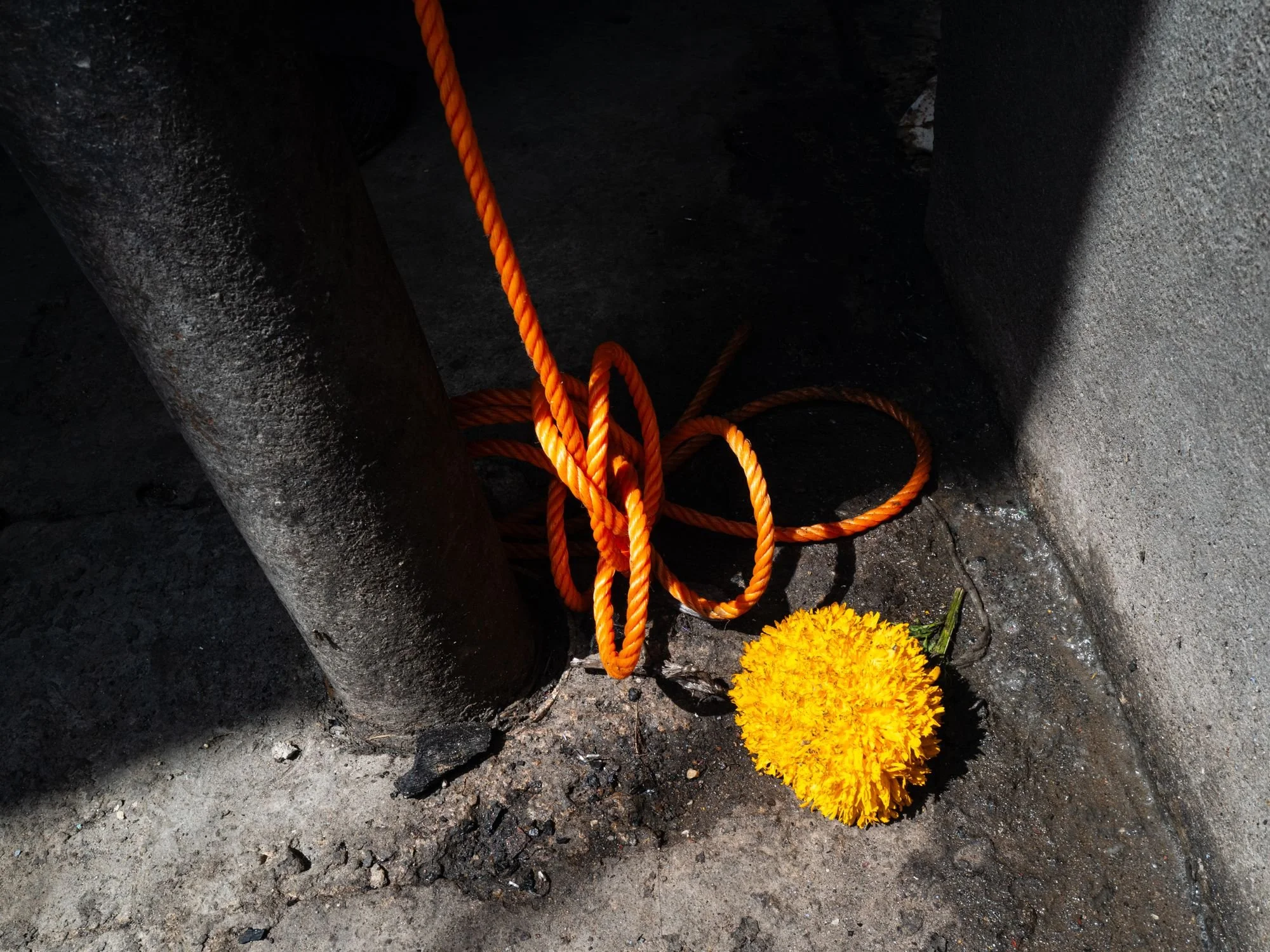
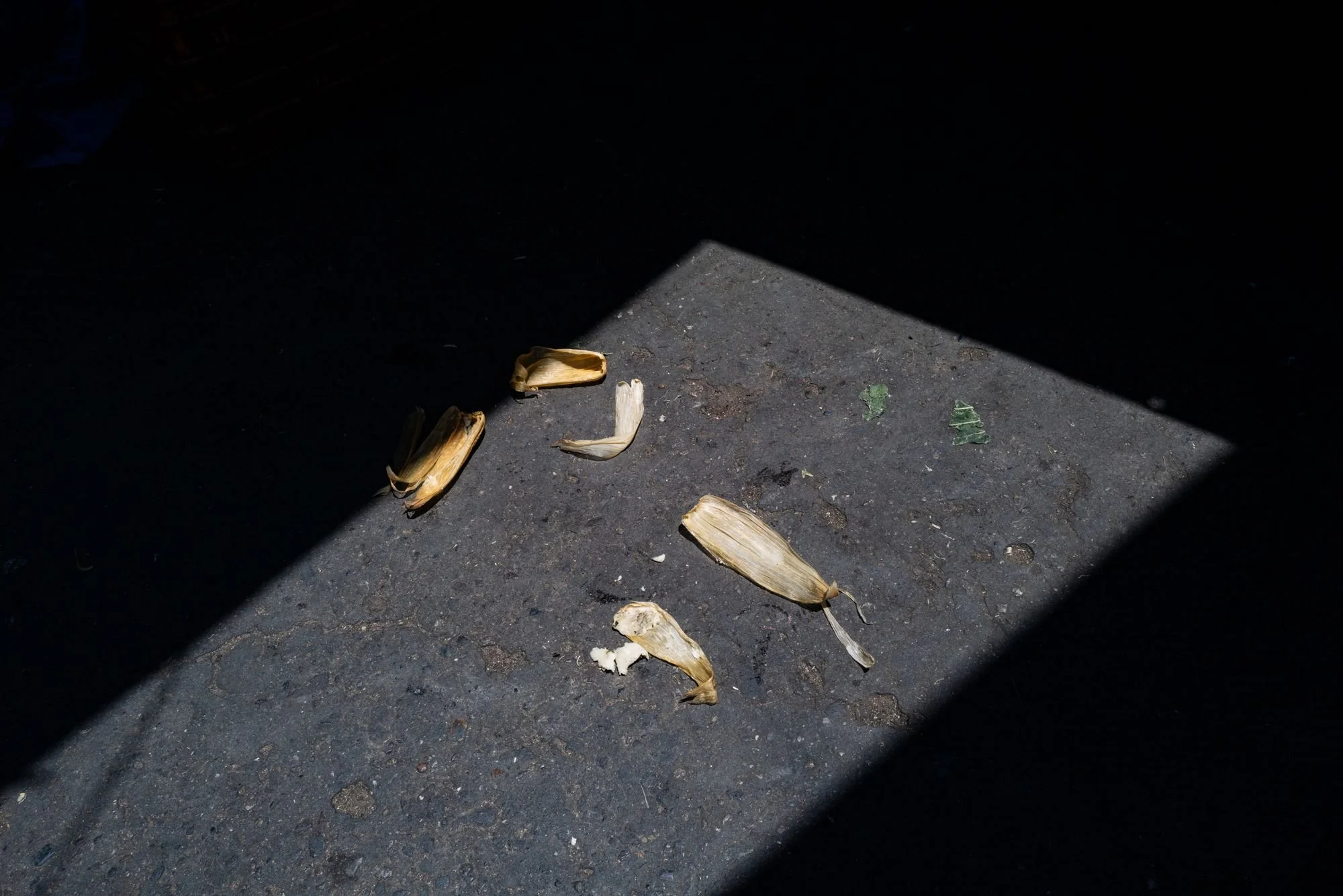
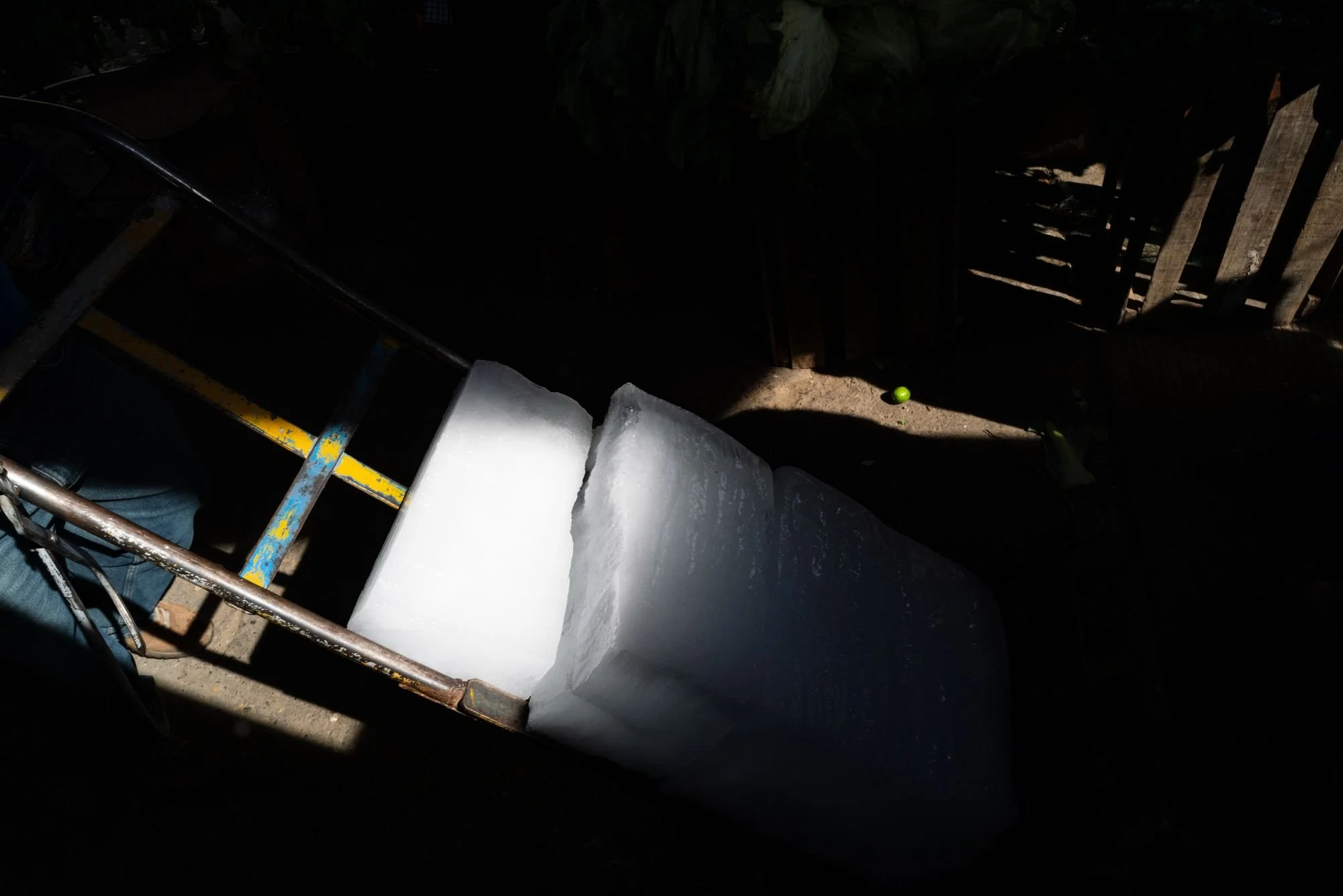
To some, however, Ocotlán reveals a different face: radiant roosters, ash-dyed turkeys, and lustful watermelons emerge from the shadows in fleeting moments of light. Hidden by the crowd, a troupe of singular characters re-enacts the scene they played for the Painter who used to live here.
They wear the same colors he painted fifty, or perhaps five hundred, years ago: sweet-poison-Green, tropical-decadence-Yellow, Autumn-languor-Red, moonlit-nostalgia-Indigo.
For decades, they wore them only for his eyes, when he came each week to paint a reality only he could see. What he called “Market Day,” others referred to as “Magic Realism.”
Since his passing, the roles have shifted and his paintings have become the source of reality, shaping the life of Ocotlán each Friday.
Only those who are patient enough to return five times, learn the names of all the knots, talk to the wandering dogs and eat the blue crabs, have a chance to witness what the Painter saw.
But a choice must be made: if they see the Painting, they will never be able to see its protagonists again and they will exist only as strokes of color in their mind.
This is Ocotlán, a place where Art and Reality coexist, but must erase each other.
Claudio Vandi, 2025
06 The sound
Emiliano Battistini / Claudio Vandi
An immersive sound piece composed for the exhibition.
07 The book
Viernes is also becoming a book.
I am working on it alongside the exhibition planned in Paris for 2027. It is not a sequence of market pictures: I am building it as a non-linear narrative from several threads: the town, the carved stone, the paintings of Rodolfo Morales, Tirso’s frames, the railway line that once connected Ocotlán to Mexico City, mirrors from a nearby church, and images of knots, shadows and nature that have not been shown yet.
So far there are over two hundred photographs, the tale, and a growing set of images beyond the market.


08 The exhibition
MUPO — Museo de los Pintores Oaxaqueños
Oaxaca, May–August 2025
Twenty large-format photographs, ten of them in tin frames, an immersive sound piece, the tale, and works by Rodolfo Morales, shown during the centenary of his birth. Organised with Fundación Cultural Rodolfo Morales, the Secretaría de las Culturas y Artes de Oaxaca and Fundación Francisco Toledo.
Institut culturel du Mexique (IDEMEX)
Paris, during Paris Photo 2027
The next exhibition of Viernes. Dates to be announced.